

An outstanding arrest warrant is a serious legal problem that can disrupt nearly every part of a person’s life.
Once a warrant is active, law enforcement can arrest that person at almost any time and in many different settings.
Many people learn about a warrant before police make contact, but others do not find out until officers come to the door, stop them during a traffic stop, or arrest them at work or in another public place.
A surprise arrest can also lead to more time in custody if booking happens after regular court hours.
Courts may also look less favorably on a bond if officers had to track the person down instead of seeing that person take prompt action.
Let us see how people should act when a court issues a warrant out for their arrest.
Confirm if a Warrant Actually Exists
The first step is making sure an active warrant actually exists before taking any other action. Rumors, outdated case information, name confusion, and incomplete records can all create unnecessary panic.
Acting on bad information can make a stressful situation worse, especially if a person starts calling law enforcement, missing work, or making rushed decisions before verifying the facts.
Reliable verification matters because not every warning about a warrant is accurate. Friends, family members, former partners, or employers may pass along incomplete information. Online case records may also be outdated or missing key updates.
View this post on Instagram
Ways to Check for a Warrant
Several practical ways can help confirm the status of a possible warrant. Many counties provide online search tools through court websites, sheriff’s office websites, or local government record portals.
Online systems can be a useful starting point because they may show open cases, bench warrants, missed court dates, or pending charges.
Direct contact may be necessary if an online search is unavailable or unclear. A person may need to call the local sheriff’s office or police department and ask if an active warrant appears under that person’s name.
Information to Have Ready
- Full legal name, including any middle name or suffix
- Date of birth
- Case number, if available
- Social Security number, if requested for identity confirmation
- Approximate date of the prior court event or alleged incident
- County and state where the matter may be pending
Case number can be especially helpful because it may allow court staff to locate the file faster.
Date of birth can reduce confusion when a name is common. A Social Security number may be requested in some jurisdictions to confirm identity and prevent mix-ups with another person who has a similar name.
A person should be careful when providing personal information and should only share it with an official office or a verified government record system.
Learn the Details of the Warrant
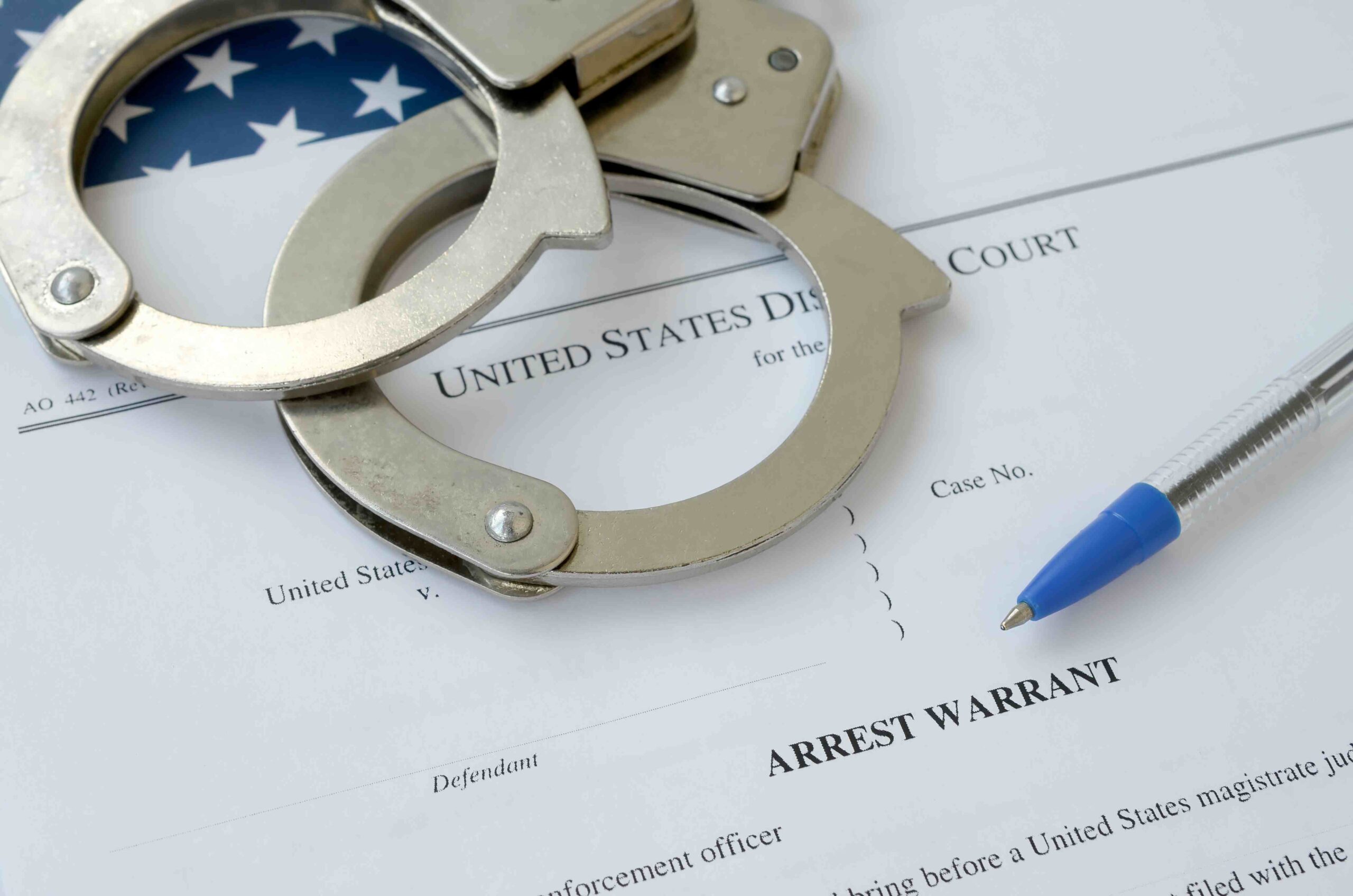
Confirmation of a warrant is only the beginning. The next step is gathering as much detail as possible so the person can respond in an informed and controlled way.
Basic facts tied to the warrant can shape legal advice, affect surrender planning, influence bond issues, and determine how urgent the situation may be.
Key Details to Gather
- Date the warrant was issued
- Exact charge listed in the case
- Date of the alleged offense
- Case type
- Bail amount, if already set
The issue date can help show how long the warrant has been active. Exact charge matters because a traffic-related matter, a missed court appearance, and a felony accusation can lead to very different consequences.
Date of the alleged offense may also matter if the case is old enough to raise questions about time limits or record accuracy.
Case type can help clarify if the matter involves a bench warrant, a new criminal filing, a probation issue, or another court-related problem.
More context can also be important. A person should find out if the warrant is tied to a failure to appear, a probation violation, an unpaid fine, a contempt issue, or a newly filed criminal allegation.
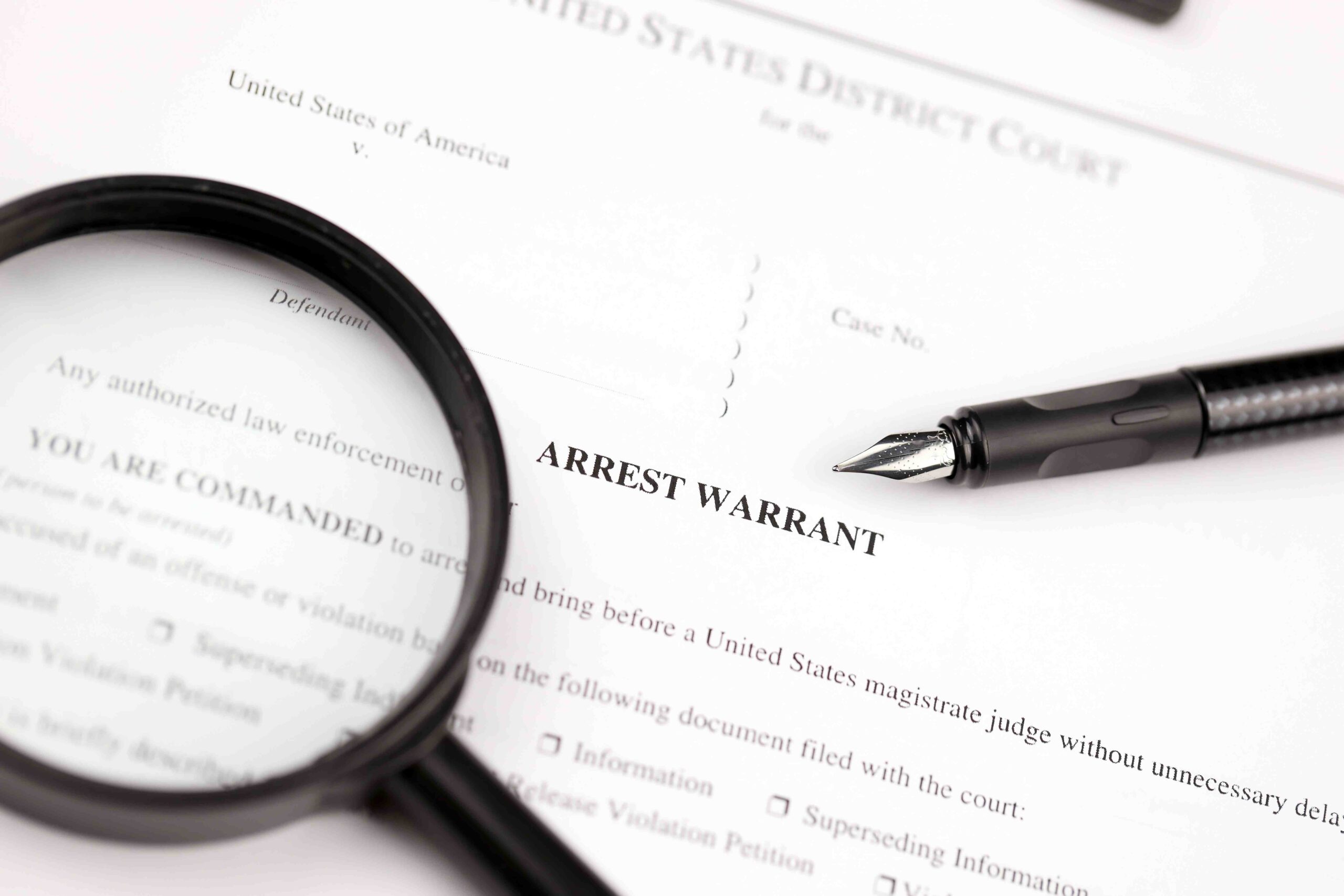
Older Warrants Can Create Extra Problems
Older warrants can create extra complications. Time can make even a relatively minor matter harder to resolve. Financial penalties may continue to grow if the case involves unpaid fines, missed payments, or court costs.
Long gaps in time may also create practical problems, such as lost records, changed addresses, or missed notices that were sent years earlier.
- Fines may have continued to accumulate
- Court costs or late fees may now be higher
- Prior missed dates may affect the bond or judicial discretion
- The age of the case may raise questions about time limits affecting validity
- Minor matters may sometimes be resolved by payment instead of arrest
The possibility of resolving a case by paying a fine depends on the charge and the court’s procedures. Some low-level matters may be cleared through payment or a scheduled court appearance rather than a custodial arrest. Serious criminal allegations usually do not work that way.
Legal advice is especially important before assuming that payment alone will solve the problem.
Accuracy matters at every stage of this review. Similar names, duplicate files, old addresses, and clerical errors can create confusion. A person should try to confirm that every detail actually matches that person’s case before taking action based on the record.
Retain a Criminal Defense Attorney Immediately
The most important early move is contacting a criminal defense attorney as soon as possible. A warrant creates legal risk, timing pressure, and real danger of arrest, so trying to handle it alone can lead to avoidable mistakes.
Early legal advice can help a person act calmly and with a plan instead of reacting out of fear.

How a Defense Attorney May Help
A defense attorney can help at multiple stages of the case. Advice may begin even before surrender is discussed.
Lawyer review can help a person avoid careless statements, bad timing, unnecessary exposure to police questioning, and missed opportunities to address the warrant in a more controlled way.
- Advising on what to do before surrender
- Communicating with the court or prosecutor
- Being present during police questioning
- Attending hearings
- Seeking dismissal, charge reduction, or a less serious resolution
- Trying to arrange the withdrawal of the warrant and a future court date
- Coordinating surrender at a set time and place
- Improving the chance of faster release after processing
Legal counsel may also help determine if the case can be addressed without an immediate jail booking. In some situations, a lawyer may be able to contact the court, explain the circumstances, and seek a chance to place the matter on the calendar instead of forcing a surprise arrest.
Local experience can matter a great deal. Courts, prosecutors, and police agencies often follow local practices that are not obvious to someone outside the system.
A lawyer who regularly appears in that county may know how judges usually treat surrender, bond, missed court dates, and requests to recall warrants. Familiarity with local staff and procedures can make the process more predictable.
Local counsel may be especially important when warning signs are present.
- Prior failure to appear
- Serious charges
- Significant criminal history
- Probation or parole issues
- Multiple open cases
- Conduct that may look like avoidance or flight
Do Not Ignore or Try to Evade the Warrant

Ignoring a warrant is usually one of the worst choices a person can make. Delay may feel easier in the short term, but it often leads to more stress, fewer options, and harsher practical consequences. Trying to hide can make the situation harder, not better.
Walking into a police station without a plan can also be a mistake because a person may end up sitting in custody longer than necessary.
How Arrest Can Happen
Arrest can happen in ordinary places and at very bad times. Police may not come immediately, but that does not mean the problem has gone away.
A person with an active warrant may be taken into custody during daily life with no warning at all.
- A traffic stop
- Home contact by officers
- An arrest at work
- Contact in a public place, such as a store
- An unexpected check during another court matter
Delay Can Make Things Worse
Timing can make a bad situation worse. Arrest during the evening, late at night, or on a weekend can mean a longer stay in jail before a judge is available or before release can be arranged.
Bond can also become harder if law enforcement has to track the person down. Courts may view voluntary action more favorably than prolonged delay or apparent avoidance.
That does not mean surrender guarantees leniency, but prompt action can still help reduce the appearance that the person ignored the court or forced officers to make an arrest.Prompt action may also help reduce other forms of damage.
Delay can increase stress on family members, interfere with work, and create public embarrassment if the arrest happens in front of:
- employers
- coworkers
- children
- neighbors
A controlled response usually gives a person more privacy and more preparation than a surprise arrest.
Exercise the Right to Remain Silent

Silence is one of the strongest protections a person has after learning about a warrant or after arrest. Police may ask questions in a casual tone or present the conversation as a chance to help clear things up.
Any statement, even one made with good intentions, can later be used in court. A person should avoid verbal and written statements until counsel is present.
Risk is not limited to formal questioning. Casual conversation can be just as damaging.
A person may feel pressure to explain, deny, justify, or tell “their side,” but those statements can lock the defense into facts that later turn out to be inaccurate, incomplete, or harmful. Remaining silent is often safer than trying to talk through the problem.
- Questions asked by police before formal interrogation
- Written statements or signed forms
- Conversations with other inmates or people in a holding cell
- Telephone calls made at the station or jail
- Comments made to friends or family while in custody
Jailhouse conversations are especially risky. Other inmates may repeat what they hear in hopes of helping themselves.
Phone calls made in custody may be recorded, and many people forget that simple personal calls can still produce damaging evidence. A person should assume that privacy is limited once an arrest has taken place.
Summary
Outstanding warrants should be handled quickly and carefully. The first move is confirming that the warrant exists.
The next step is gathering the key details, including the issue date, the charge, the offense date, the case type, and any bail amount that has already been set.
Immediate contact with a criminal defense lawyer can make a major difference in how the case unfolds. Ignoring the warrant or forcing police to come find the person usually makes matters worse.
Careful planning for surrender, in the right jurisdiction and at the right time, can reduce unnecessary custody time and improve the chance of a better outcome. Silence should remain the rule until counsel is present.