
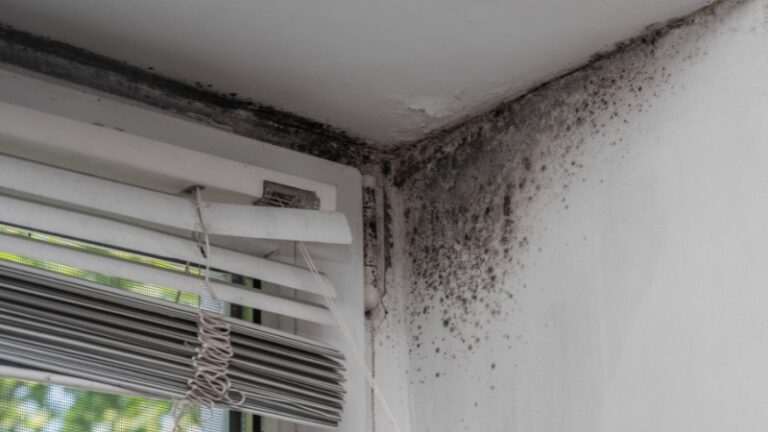
Yes, you can sue your landlord for mold, but only if the facts show more than just “there was mold in the apartment.”
In most cases, a tenant has to show that the landlord knew or reasonably should have known about a moisture or mold problem, had a duty to fix it, failed to act within a reasonable time, and that this failure caused real harm, such as property damage, health problems, relocation costs, or loss of use of the unit.
That is the key distinction. Mold by itself does not automatically create a winning lawsuit. A strong case usually turns on notice, responsibility, and damages.
If the mold came from a leaking roof, broken plumbing, recurring water intrusion, poor maintenance, or another condition the landlord controlled, the tenant may have a real claim.
If the mold resulted mainly from tenant-caused conditions such as failing to ventilate, never reporting a leak, or creating heavy indoor moisture without telling the landlord, the case becomes much weaker.
What A Tenant Usually Has to Prove

Most mold cases are built on ordinary landlord-tenant law rather than some special nationwide “mold law.”
That usually means the tenant argues one or more of these theories: breach of the warranty of habitability, negligence, breach of lease obligations, nuisance, or sometimes constructive eviction if the condition became so bad that living there was no longer reasonable.
In practical terms, the tenant usually needs to prove five things. First, there was a real mold or moisture condition in the rental. Second, the landlord knew about it, or should have known, because the problem was obvious or repeated.
Third, the landlord had the legal duty and practical ability to address the underlying cause. Fourth, the landlord failed to respond reasonably. Fifth, the tenant suffered measurable harm.
What you need to show
Why it matters
Mold or chronic moisture actually existed
You need a real condition, not a vague suspicion
The landlord had notice
Landlords usually are not liable for problems they were never told about
The landlord was responsible for the cause
Liability is stronger when the issue is a leak, roof, plumbing, HVAC, or structure problem
The response was unreasonable
Delay, denial, superficial painting, or repeated failed repairs can matter
You suffered damages
Lawsuits need measurable losses, not just frustration
When A Mold Case Is Strongest
The strongest cases usually involve a pattern that looks like this: the tenant reports a leak or visible mold, the landlord ignores it or does a cosmetic patch, the water intrusion continues, and the tenant ends up with damaged belongings, hotel costs, medical bills, or a unit that becomes difficult or unsafe to live in.
A case also gets stronger when there is documentation showing repeated notice. If you emailed maintenance three times, sent photos, submitted a written complaint, and the issue kept coming back, that helps establish both knowledge and failure to act. Judges care a lot about whether the landlord had a fair chance to fix the problem.
The same is true when the source is clearly structural or building-related. Mold from a leaking pipe behind a wall, a roof leak, flooding from another unit, long-term water intrusion around windows, or an unaddressed bathroom exhaust problem is much easier to tie to landlord responsibility than a small patch of mildew in a bathroom that was never reported.
When the Landlord May Not Be Liable
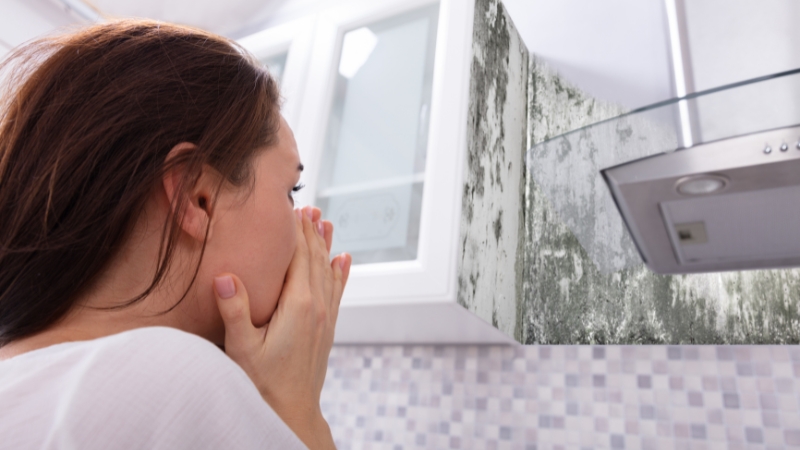
Landlords are not automatically responsible for every mold problem. If the tenant caused or worsened the condition, the landlord may have a defense. That can include failing to report leaks promptly, blocking ventilation, running humidifiers constantly in a closed space, not using bathroom fans where required, or allowing extreme moisture buildup over time.
Another weak scenario is when the landlord responded reasonably and the tenant still sues anyway. If the landlord inspected promptly, hired qualified repair help, fixed the leak source, removed damaged material, and followed up, it becomes much harder to prove negligence.
The other common weakness is lack of proof. Many tenants know something is wrong but do not keep records. In court, “there was mold everywhere” is much less useful than dated photos, maintenance requests, contractor reports, lab results where appropriate, receipts for damaged items, and written communication showing delay or refusal.
What Kinds of Compensation Tenants May Recover
If a tenant wins, the money usually depends on the actual harm. Courts do not award damages just because mold is unpleasant. They look for losses that can be tied to the landlord’s failure to act.
Possible damages
What it can include
Property damage
Clothing, furniture, electronics, bedding, books
Medical costs
Doctor visits, medication, treatment tied to exposure
Rent-related damages
Rent abatement for loss of usable space or poor conditions
Relocation expenses
Hotel stays, moving costs, temporary housing
Emotional distress
Sometimes available, but harder to prove and varies by state
Lease-related remedies
Breaking the lease without penalty in serious cases
Some tenants are better off pursuing a smaller claim for damaged belongings and costs in small claims court, while others with serious health effects or major habitability problems may need a larger civil case.
Health Claims Are The Hardest Part

This is where many mold cases become much more difficult. It is often possible to prove that mold existed and that the landlord delayed repairs. It is much harder to prove that a specific medical condition was caused by that mold exposure rather than allergies, asthma triggers, prior health issues, or other environmental factors.
That does not mean health-based claims are impossible. It means they usually need stronger evidence. If the case centers on physical injury, a tenant often needs medical records, doctor opinions, possibly environmental testing, and a clear timeline showing the symptoms started or worsened with the exposure.
Without that, many mold cases are stronger as habitability or property-damage cases than as major personal-injury cases.
What Tenants Should Do Before Sauing
The best mold lawsuits are usually built before the lawsuit is filed. Tenants should report the problem in writing, keep copies of every complaint, photograph the mold and the water source, document damaged property, save receipts, and keep a timeline of what happened and when.
If the condition is serious, the tenant should also review local housing code options. In some places, a city or county housing inspector can document the condition, which can become powerful evidence later. Even if the case never goes to trial, an inspection report can push the landlord toward repairs or settlement.
The most important practical step is to focus on the cause, not just the mold stain. Mold is usually a symptom of moisture. Courts and landlords both tend to look more seriously at a case when the tenant can show the unresolved leak, flooding, broken ventilation, or other building defect behind it.
Can a Tenant Break The Lease Over Mold?
View this post on Instagram
Sometimes yes. If the mold problem is serious enough to make the unit uninhabitable or substantially interfere with normal living, a tenant may have the right to move out and argue constructive eviction or breach of habitability.
But that is risky if done casually. A tenant who leaves too early without enough documentation can end up in a rent dispute instead of a strong mold case.
That is why the safer path is usually to create a paper trail first: written notice, reasonable time to repair, photos, inspection records if available, and evidence that the problem was substantial and ongoing.
The Real Answer

Yes, you can sue your landlord for mold, but winning usually depends on proof that the landlord ignored a moisture problem they were responsible for and that you suffered real damages because of it.
The strongest cases are not built on fear or assumptions. They are built on written notice, repeated repair failures, clear photos, documented losses, and a direct link between the landlord’s inaction and the harm.
If the mold came from a building problem the landlord controlled and they failed to act after being told, you may have a serious claim. If the problem was minor, undocumented, or caused mainly by tenant behavior, the case is much weaker.