
Accidents involving uninsured drivers create serious financial risk for responsible motorists. Auto insurance laws exist in most states, yet a significant number of drivers ignore those requirements.
Data from the Insurance Research Council indicates that about 15% of motorists in the United States were uninsured in 2023.
Collisions with uninsured drivers often leave victims facing repair bills, medical expenses, and lost income without compensation through the at-fault driver’s insurance. Insurance coverage usually handles these costs after a crash, but that safety net disappears when the other driver carries no policy.
Immediate action after a crash plays an important role in protecting personal health, financial stability, and legal rights.
Proper documentation, timely reporting, and knowledge of available insurance protections help reduce long-term consequences.
Immediate Steps to Take After a Car Accident
Quick and organized action after a crash can protect health, financial stability, and legal rights. Accidents involving uninsured drivers can become complicated because insurance coverage from the at-fault driver does not exist.
Careful documentation, early reporting, and proper communication with authorities and insurers often influence how successfully damages are recovered.
Drivers who remain calm and follow clear steps can reduce confusion at the accident scene. Each action taken shortly after the collision contributes to stronger insurance claims and clearer evidence of what occurred.
Check for Injuries and Ensure Safety
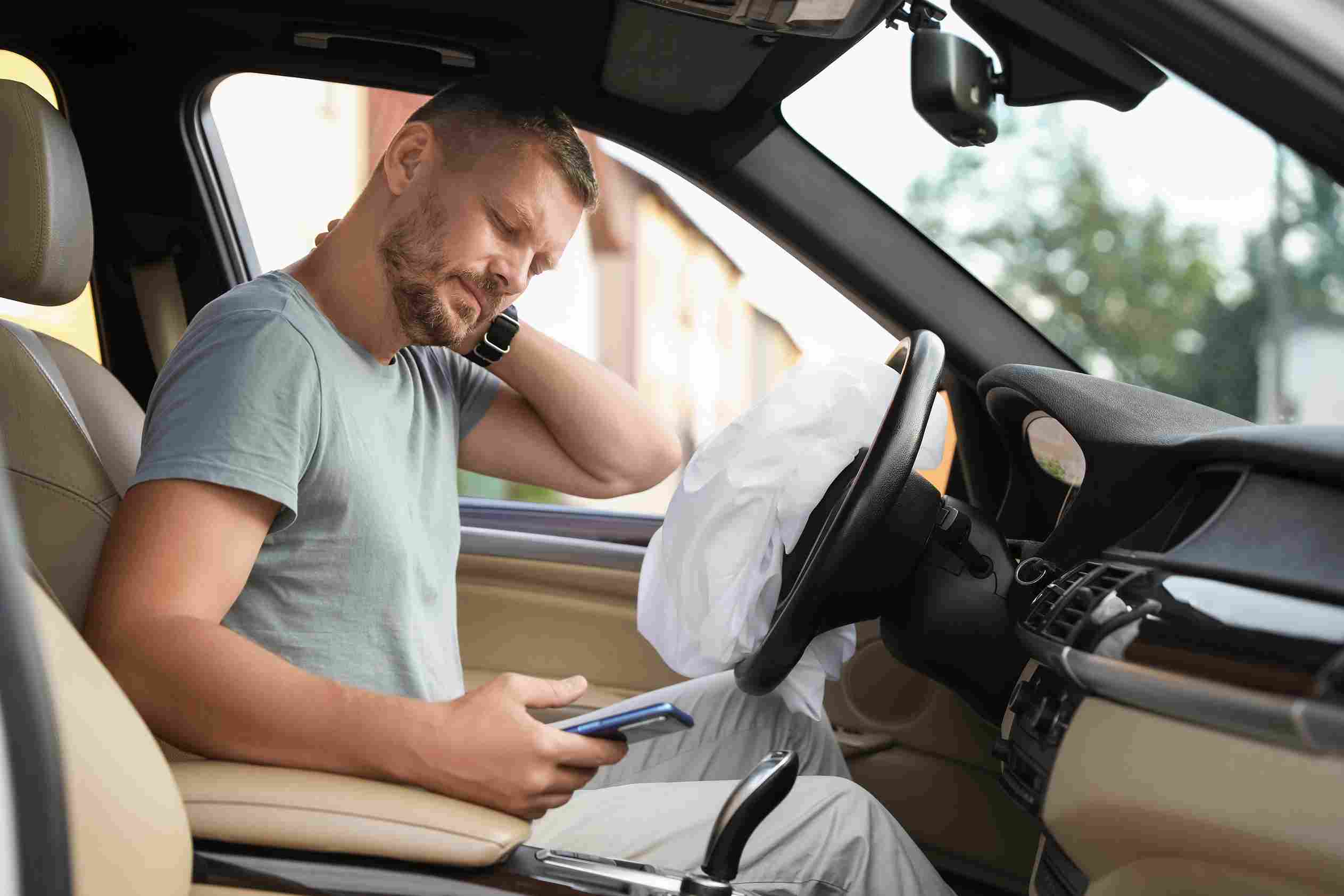
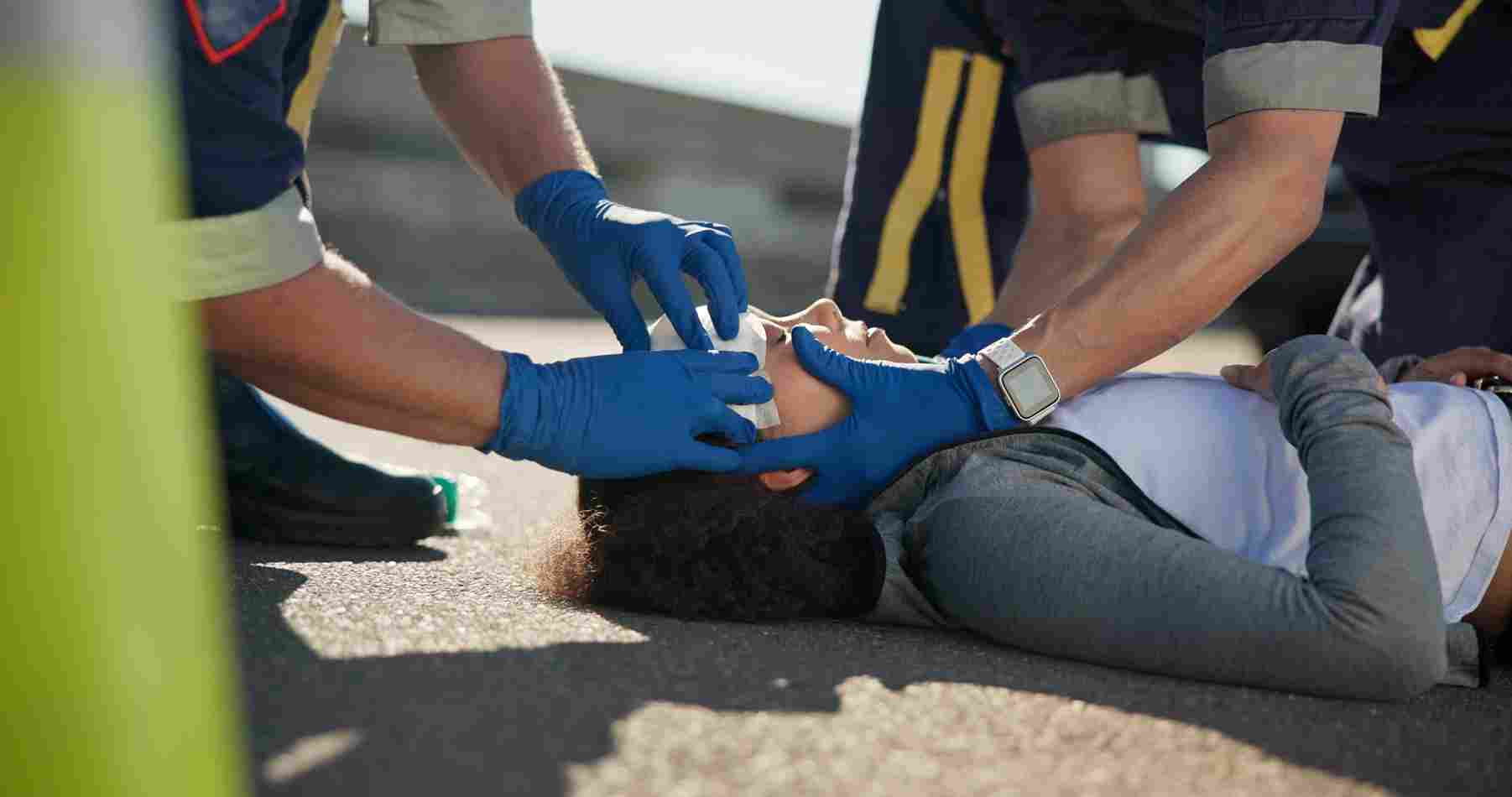
Safety must come first after any collision. Drivers should quickly evaluate their own condition and check passengers to determine if anyone needs immediate medical attention.
Injuries sometimes appear obvious right away, but some symptoms take time to develop. Emergency responders should be contacted immediately if injuries appear serious.
Calling 911 allows paramedics and law enforcement officers to arrive quickly. Medical professionals can provide care at the scene and arrange transport to a hospital if necessary.
- Head pain or dizziness
- Neck or back pain
- Difficulty moving limbs
- Confusion or loss of consciousness
Medical attention also creates official documentation of injuries. Records created during emergency treatment or hospital visits often support insurance claims and potential legal action.
Minor symptoms should not be dismissed. Pain, stiffness, headaches, or fatigue sometimes appear hours or even days after a crash. Follow-up medical evaluations help ensure injuries receive proper treatment and remain documented.
Contact the Police

Police involvement becomes particularly important when a collision involves an uninsured driver.
Law enforcement officers create an official record describing the accident, which insurance companies often require during claims.
Officers arriving at the scene gather information that helps determine fault and document important details.
- Statements provided by drivers and witnesses
- Observations regarding road conditions
- Visible vehicle damage
- Location and time of the accident
Police presence also discourages aggressive behavior and prevents drivers from leaving the scene without identifying themselves. Investigators may collect photographs, measurements, and witness testimony that support accurate accident reports.
Insurance providers frequently rely on police reports when evaluating claims involving uninsured motorists. Detailed documentation can become critical if legal disputes arise later.
Exchange Information with the Other Driver
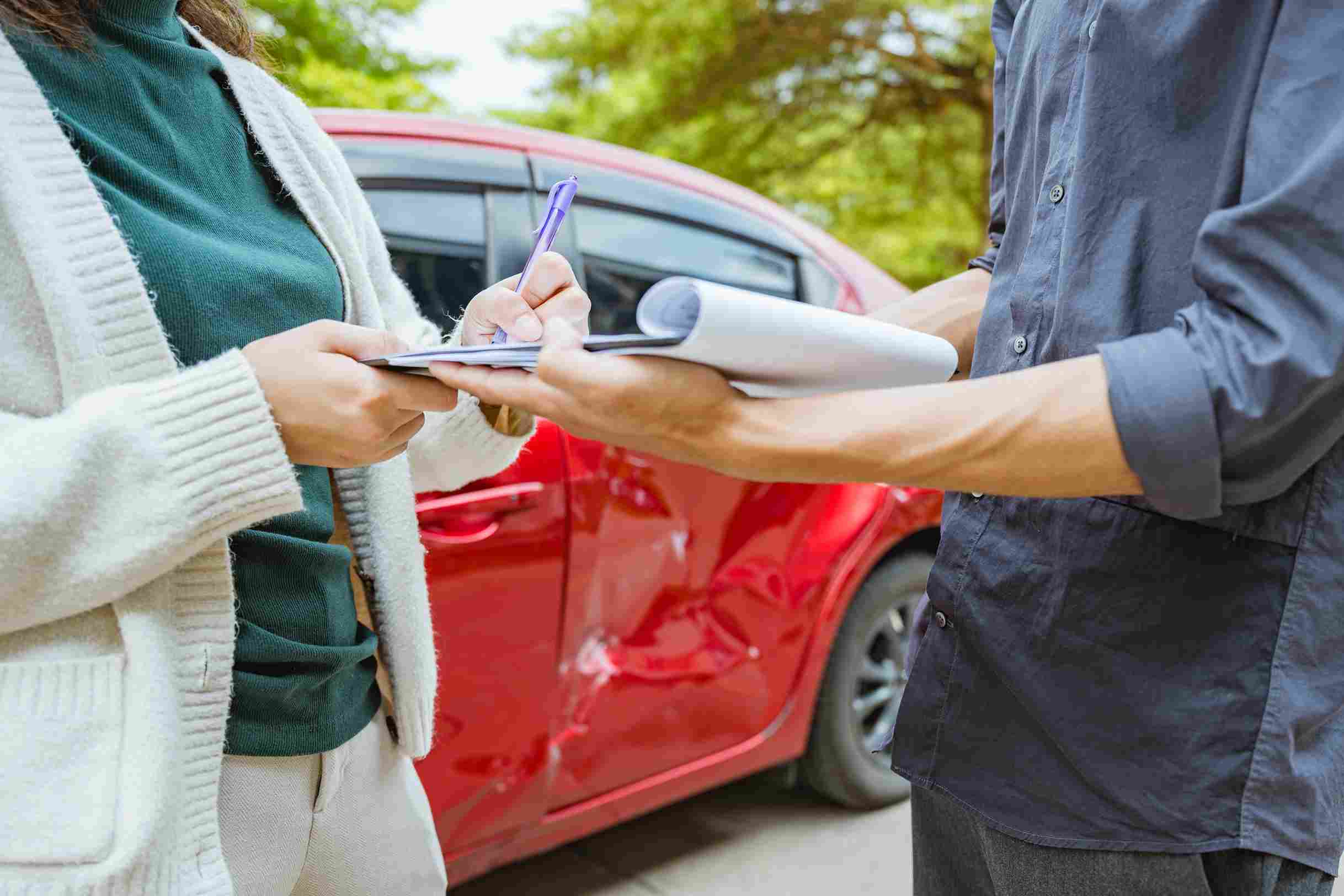
Information exchange remains necessary even when the other driver admits to lacking insurance coverage. Accurate identification of the driver and vehicle involved may become essential during insurance claims or legal proceedings.
Several details should be collected before leaving the accident scene.
- Full name of the driver
- Phone number
- Driver’s license number
- Vehicle make and model
- License plate number
Photographs of the driver’s license and vehicle registration can provide additional confirmation of identity. Written notes may also help capture details that might later be forgotten.
Conversations at the accident scene should remain calm and limited to basic information exchange. Statements about fault or responsibility should be avoided until insurance companies and investigators review the situation.
Accurate identification allows insurance providers, attorneys, or courts to locate the responsible driver if compensation becomes necessary.
Document the Accident Scene
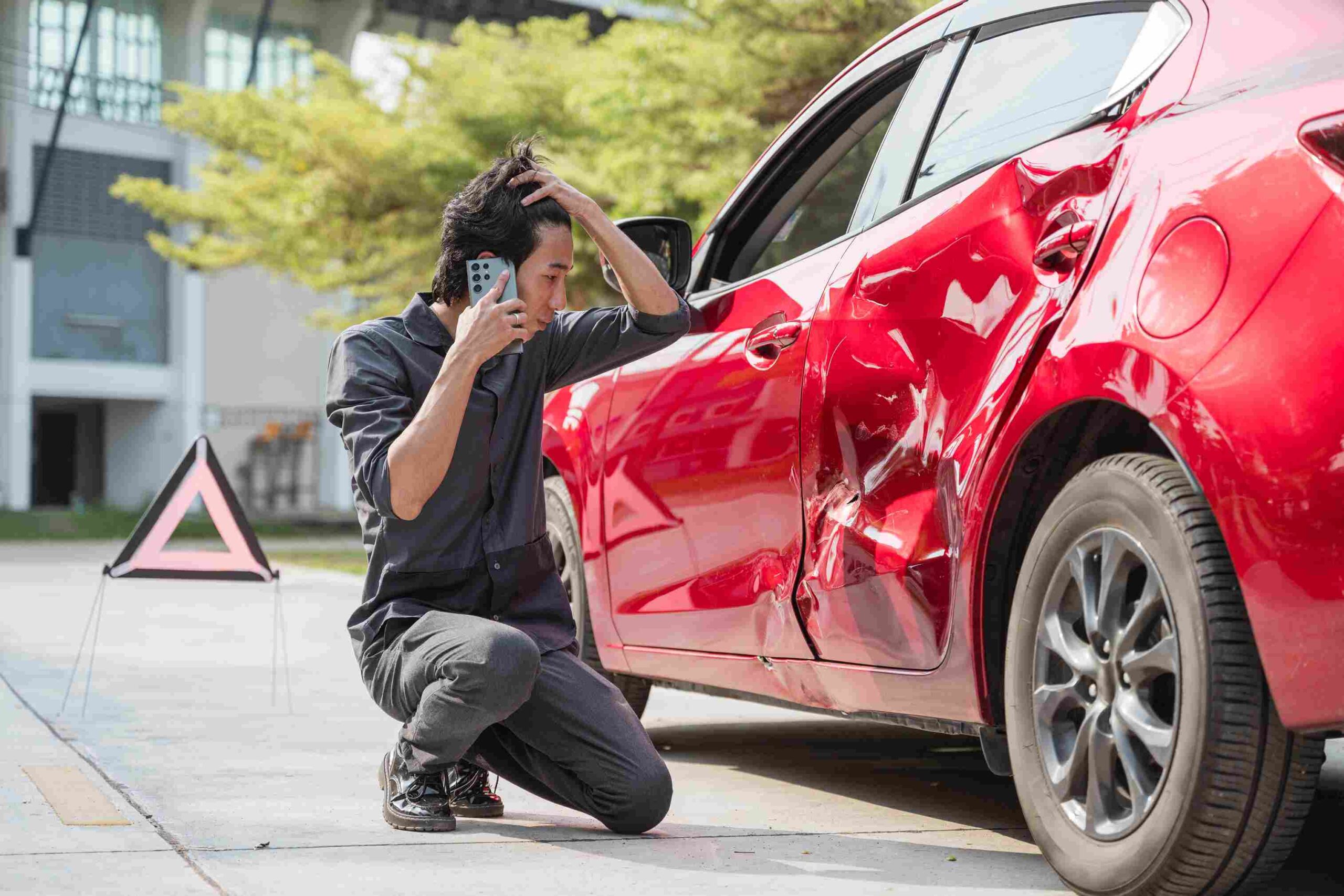
Strong evidence plays a major role when accidents involve uninsured drivers. Careful documentation helps establish what occurred and may support insurance claims or legal action.
Drivers should begin gathering evidence as soon as safety concerns have been addressed. Visual documentation provides valuable details about vehicle damage and the surrounding environment.
- Damage to all vehicles involved
- Position of vehicles on the road
- Road surface conditions
- Traffic signals and signage near the scene
- Weather conditions at the time of the crash
Written notes may also help preserve key facts. Recording the time, location, and sequence of events can help clarify how the accident occurred.
Witness statements can significantly strengthen an insurance claim. Individuals who observed the crash may provide neutral accounts describing driver behavior or traffic conditions. Names and contact information should be collected whenever possible.
Detailed documentation reduces uncertainty and helps investigators determine fault.
Notify Your Insurance Company Immediately

Prompt communication with an insurance provider remains an important step after any accident involving an uninsured driver. Early reporting allows claims representatives to review available coverage and begin processing the claim.
Insurance companies often request several types of information during the reporting process.
Drivers should prepare key materials before contacting their insurer.
- Police report number
- Photos showing vehicle damage
- Witness contact information
- Written description explaining how the accident occurred
Claims representatives typically explain which coverage options may apply and guide policyholders through the next steps. Reporting the accident quickly also prevents delays that could complicate claim approval.
Clear communication with the insurance company helps ensure proper documentation and faster evaluation of damages.
Medical Payments Coverage or Personal Injury Protection
Medical payments coverage and personal injury protection provide financial support for medical care after an accident, regardless of fault.
Injured drivers and passengers may receive reimbursement for treatment costs through these protections.
Personal injury protection may extend assistance to additional categories of financial loss.
- Lost income during recovery
- Rehabilitation or therapy costs
- Funeral expenses in fatal accidents
Medical coverage helps reduce financial pressure during recovery after a serious crash.
Filing an Insurance Claim
Insurance claims become necessary when the responsible driver cannot pay for damages. Drivers often rely on their own insurance coverage to pursue compensation after accidents involving uninsured motorists.
Claims usually involve several stages. Insurance companies typically require multiple forms of documentation during evaluation.
Insurance adjusters review policy terms, evaluate damage estimates, and analyze evidence before determining compensation. Vehicle inspections may also occur during the process.
Thorough documentation increases the likelihood of successful claims and helps insurers calculate appropriate compensation.
What Happens If the Driver Flees (Hit-and-Run)
Hit-and-run accidents occur when a driver leaves the scene without providing identification or insurance information. Such incidents create additional complications because the responsible driver may remain unidentified.
Police should be contacted immediately after a hit-and-run crash. Officers begin investigating the scene and may attempt to locate the fleeing vehicle using witness accounts or surveillance footage.
Insurance policies often treat hit-and-run drivers as uninsured motorists. Several types of coverage may still assist with financial recovery.
- Collision coverage for vehicle repairs
- Uninsured motorist property damage
- Uninsured motorist bodily injury
- Personal injury protection or medical payments coverage
Detailed documentation remains essential after hit-and-run incidents. Photos, witness statements, and police reports help support insurance claims even when the responsible driver cannot be located.
What If You Don’t Have Uninsured Motorist Coverage?
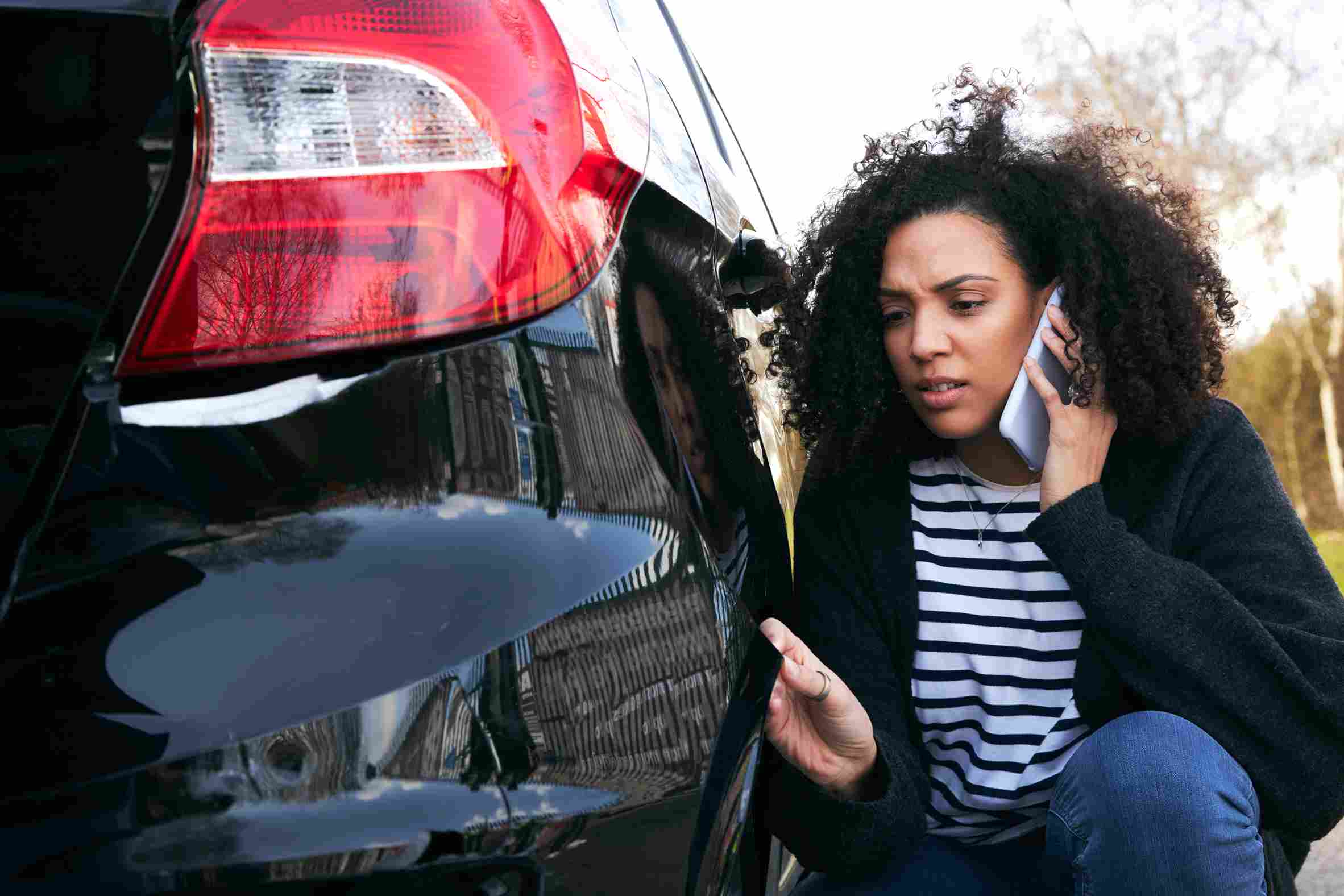
Drivers who lack uninsured motorist coverage may still have limited options after an accident involving an uninsured driver. Financial recovery may rely on other insurance protections or legal action.
Collision coverage may help pay for repair costs for vehicle damage. Health insurance or medical payment coverage may assist with medical treatment expenses.
Legal action may also remain possible. Courts can require the responsible driver to pay damages if a judgment is issued.
Recovery may still prove difficult if the uninsured driver lacks income or assets. Financial limitations sometimes make collecting court-ordered compensation challenging.
Summary
Collisions involving uninsured drivers often create complex financial and legal problems. Medical costs, vehicle repairs, and lost wages may fall on victims when the responsible driver carries no insurance.
Immediate action after the accident improves the chances of recovering compensation. Proper documentation, timely reporting, and awareness of available insurance coverage help protect personal finances.