
Being pulled over by police can feel intimidating, especially when an officer suspects driving under the influence. A routine traffic stop can quickly turn into roadside questioning, sobriety tests, and possibly an arrest. Words spoken during those first moments often play an important role in how the situation unfolds.
Many drivers feel pressure to explain themselves during a traffic stop. Nervousness can lead people to speak more than necessary. Statements made during a DUI stop may later become evidence in court, even when they appear harmless at the time.
Calm behavior and careful communication can help protect legal rights during the encounter. Polite conduct also helps keep the interaction professional and controlled.
Smart first communication involves respectful but limited statements that avoid unnecessary information while still cooperating with lawful requests.
The First Thing You Should Say
First moments of a DUI stop often set the tone for the entire interaction. Words spoken during that initial exchange may influence how an officer views the situation and how the stop proceeds. Careful communication helps maintain cooperation while protecting legal rights.
A Polite, Non-Incriminating Response
View this post on Instagram
A simple and respectful statement helps begin the interaction on a cooperative note without offering information that may create suspicion. Many drivers feel nervous and attempt to explain their actions immediately. Such explanations can unintentionally create problems later.
A short greeting combined with a statement of cooperation is often considered a safe approach.
Example statement:
- “Good evening, officer. I will provide my license and registration.”
Such wording communicates cooperation and respect. At the same time, it avoids volunteering personal details or explanations that might be interpreted as admissions.
- Polite greeting directed toward the officer
- Clear indication that the requested documents will be provided
- Absence of unnecessary explanations or commentary
Calm tone, steady speech, and polite language often help prevent tension during the stop. Officers frequently observe driver behavior as part of a DUI investigation. Body language, tone of voice, and manner of speech may all become part of an officer’s report.
- Maintaining eye contact while speaking respectfully
- Keeping both hands visible on the steering wheel
- Speaking clearly without rushing or interrupting
Professional and respectful communication helps maintain order during the encounter and reduces the chance of escalating the situation.
Why Saying Less Is Often Better

Traffic stops frequently involve questions intended to gather information. Officers may use casual conversation to determine if alcohol or drugs could be involved. Statements made during these conversations may later appear in official reports or courtroom testimony.
Anything spoken during a traffic stop may become evidence during legal proceedings. Even casual comments can create complications.
- “I only had one drink.”
- “Just a couple beers with dinner.”
- “I’m coming home after meeting friends.”
Drivers often believe that honesty will quickly resolve the stop. Unfortunately, small admissions about alcohol consumption can increase an officer’s suspicion and lead to further investigation.
Law enforcement officers sometimes interpret these statements as indicators of possible impairment. Investigators may document such remarks in police reports. Prosecutors may later reference those statements during court proceedings.
Legal professionals frequently advise drivers to limit responses to required information. Investigative questions can appear casual but may still serve a legal purpose.
- Statements may later appear in official police reports
- Recorded body camera footage may capture every comment
- Prosecutors may treat small admissions as evidence of alcohol consumption
Limited communication reduces the likelihood of unintentionally creating evidence during a roadside investigation.
What You Are Required to Say (and Do)
Traffic laws generally require drivers to cooperate with certain basic requests during a lawful stop. Cooperation with these requests helps demonstrate compliance while still allowing drivers to avoid unnecessary statements.
Provide Basic Identification
Officers typically request identification to confirm a driver’s identity and legal authority to operate the vehicle. Drivers are usually required to provide certain documents during a traffic stop.
- Driver’s license
- Vehicle registration
- Proof of insurance
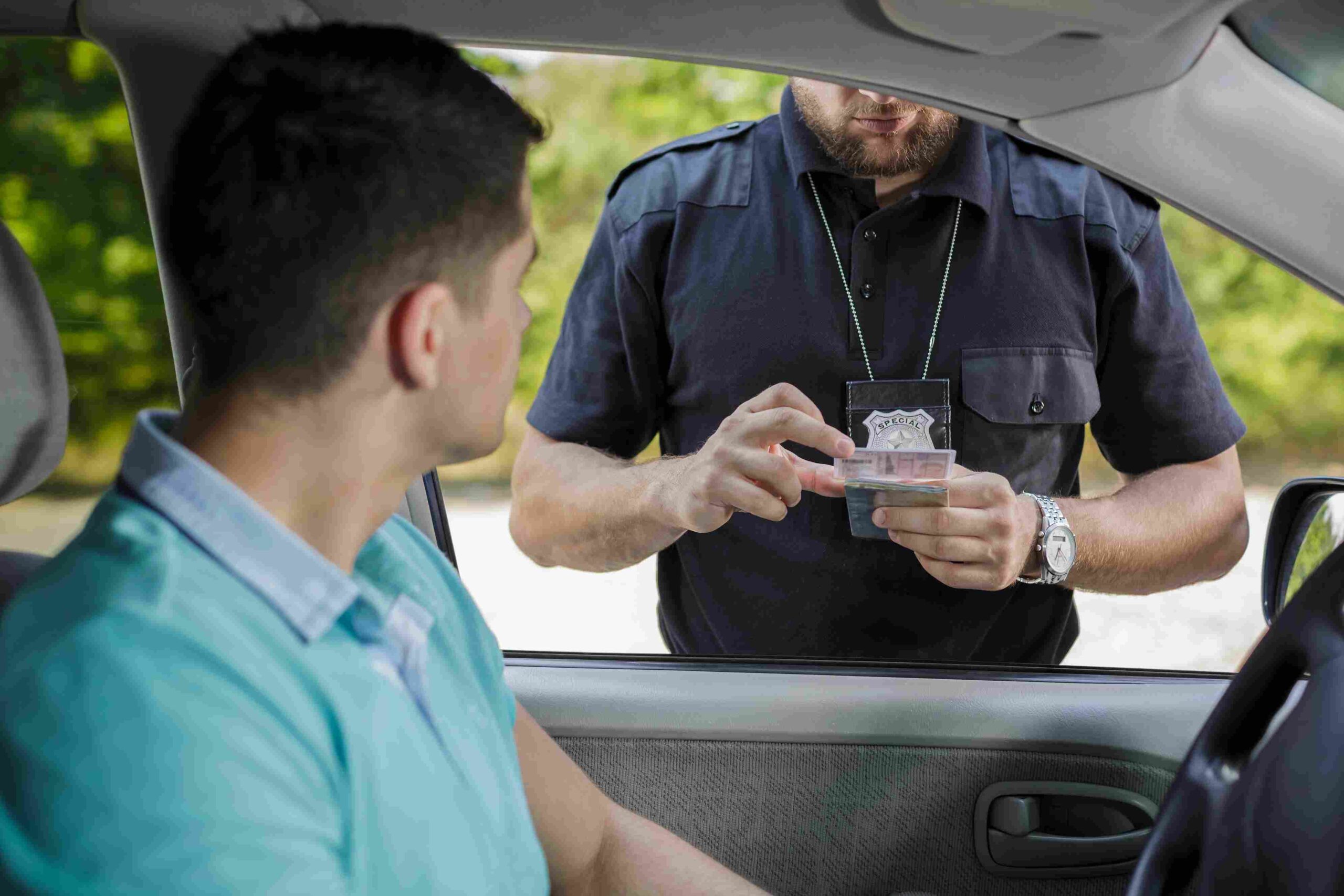
Providing these documents allows the officer to verify legal driving status and vehicle ownership. Officers may also request certain identifying details.
- Full legal name
- Current residential address
- Date of birth
- Phone number
Providing required identification demonstrates cooperation with lawful instructions and helps move the stop forward.
Follow Basic Traffic Stop Procedures
Proper conduct during a traffic stop can influence how an officer evaluates the situation. Safe driving behavior before and during the stop may also be documented.
Drivers should pull over promptly once police signal a stop. Safe and controlled driving behavior helps avoid additional concerns.
- Pulling over to a safe location as soon as possible
- Turning off the engine once the vehicle stops
- Keeping both hands visible on the steering wheel
Officers often approach a stopped vehicle cautiously. Sudden movements inside the vehicle may raise safety concerns.
Drivers should wait for instructions before reaching for documents or personal items. Reaching into glove compartments or bags without warning can create uncertainty for the officer.
- Waiting until the officer asks for documents before retrieving them
- Informing the officer before reaching toward a glove compartment or pocket
- Speaking calmly and respectfully throughout the encounter
Calm behavior and respectful communication help maintain professionalism and reduce unnecessary tension during the stop.
Questions Officers May Ask – and How to Respond
Officers conducting DUI investigations frequently ask questions intended to gather information about alcohol consumption. Many of these questions sound casual, but often play a role in determining the next step of an investigation.
Common DUI Investigation Questions
Roadside conversations often include questions that attempt to determine alcohol use prior to driving. Officers may ask several questions in sequence.
- “Have you been drinking tonight?”
- “Where are you coming from?”
- “How much have you had to drink?”
- “When was your last drink?”
Questions like these may appear conversational, but officers may use answers as part of an investigation into possible impairment.
Responses given during this stage may influence an officer’s decision to continue the investigation or request additional testing.
@driverdefenseteam Don’t answer these 4 questions if you’re under investigation for a DUI! Big shout out to @makinitrainka for the video idea. We wanted to share our take on it 😎 #dui #knowyourrights #knowyourright #policestop #criminaldefense #criminaldefenselawyer #criminaldefenseattorney #duiattorney #duilawyer #policeabuse #policepowerabuse #chicagodudesbelike #ReasonForBooking #CODSquadUp #chicagodudesbelike ♬ Sex and the City (Main Theme) – TV Sounds Unlimited
Safe Ways to Respond
Drivers generally are not required to answer questions that may lead to self-incrimination. Calm and respectful communication allows drivers to decline such questions without creating unnecessary conflict.
- “I prefer not to answer any questions.”
- “I’ve been advised not to answer those questions.”
Short and respectful statements help keep the interaction professional. Polite tone reduces the likelihood of escalating the situation.
Drivers often feel pressure to explain themselves during questioning. Remaining calm and repeating a short response can help maintain consistency.
- Speaking calmly without raising one’s voice
- Avoiding sarcastic or confrontational language
- Repeating a polite refusal if questioning continues
Short responses limit the risk of saying something that may later be interpreted negatively.
Why This Matters
Statements made during roadside questioning frequently become part of the official record. Officers may include driver comments in written reports or testimony.
Prosecutors sometimes rely on statements made during traffic stops to support claims of impairment. Even brief comments may appear significant when presented in court.
- Driver statements acknowledging alcohol consumption
- Recorded audio or video of roadside questioning
- Officer notes describing driver responses and behavior
Officer observations combined with driver statements may justify additional investigation. Additional steps sometimes include field sobriety testing or other forms of evaluation.
Limiting statements helps reduce the possibility of unintentionally strengthening a DUI case.
What NOT to Say During a DUI Stop

Certain statements can unintentionally provide officers with additional reasons to continue a DUI investigation. Avoiding these statements helps prevent unnecessary complications during the stop.
Avoid Admitting Alcohol Consumption
Acknowledging alcohol consumption can immediately increase an officer’s suspicion. Even small admissions may lead to additional testing.
- “Just one drink.”
- “Only a couple beers.”
- “I’m fine to drive.”
Officers may interpret such remarks as confirmation that alcohol was consumed prior to driving. Investigators may then continue the DUI investigation using additional methods.
Even small admissions may influence an officer’s decision to request field sobriety tests or other evaluations.
Don’t Try to Talk Your Way Out of It
Drivers sometimes attempt to explain circumstances or justify alcohol consumption. Such explanations can unintentionally create additional evidence.
- Claiming that alcohol consumption occurred hours earlier
- Attempting to estimate blood alcohol levels verbally
- Explaining reasons for drinking at social events
Many DUI stops involve recording devices such as body cameras and dashboard cameras. Conversations during the stop may be captured clearly.
Recorded material may later be reviewed by investigators, attorneys, and prosecutors. Statements that seemed harmless at the roadside may appear damaging when replayed later.
Speaking less reduces opportunities for statements that may later appear unfavorable in legal proceedings.
Avoid Arguments or Aggressive Behavior
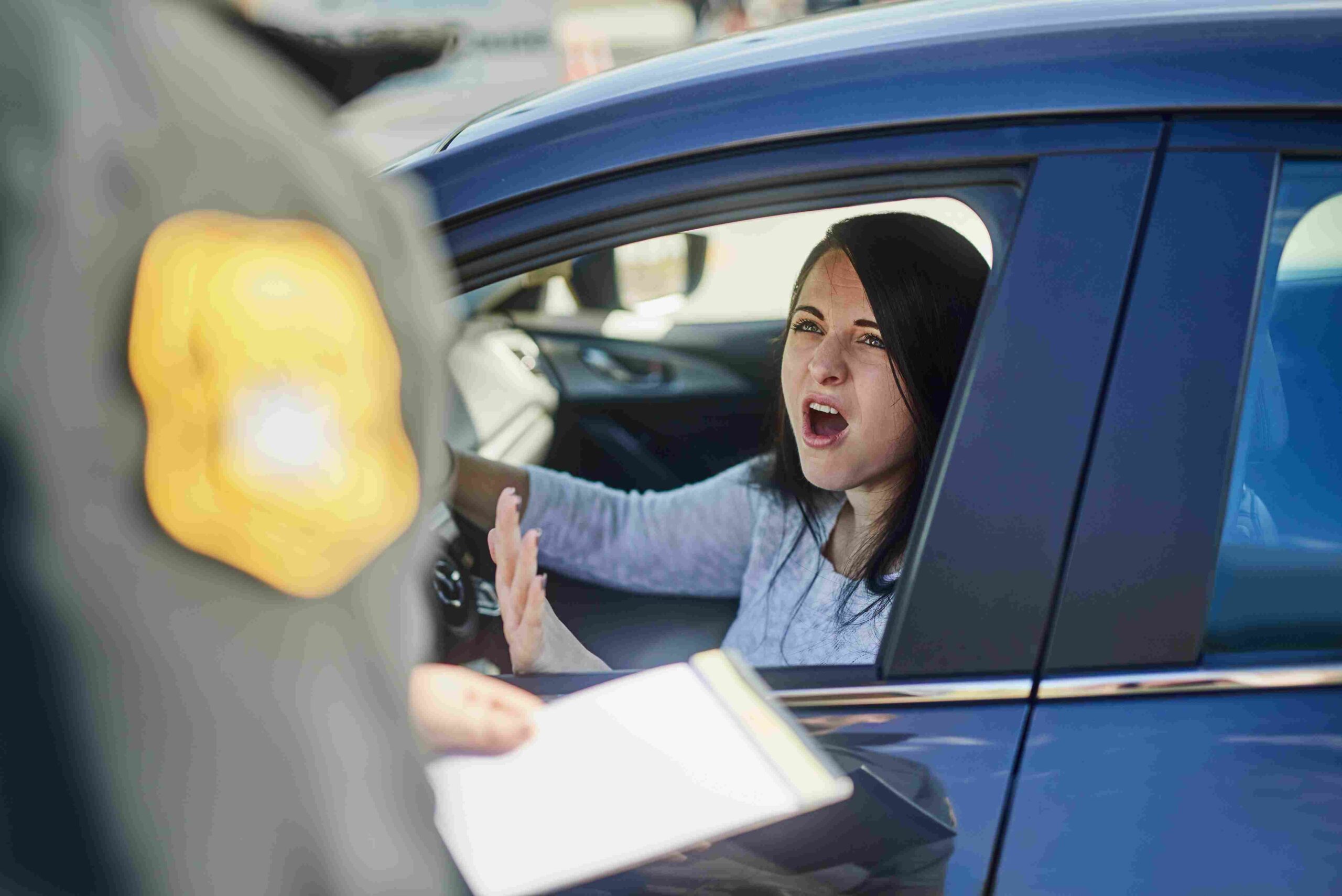
Emotional reactions during a traffic stop can complicate the situation. Arguments or confrontational behavior may influence how the officer responds.
- Raising one’s voice during questioning
- Using disrespectful language toward the officer
- Refusing to follow lawful instructions
Hostile conduct may lead to additional scrutiny during the encounter. Officers may document aggressive behavior in their reports.
Calm and respectful communication helps maintain control of the interaction. Professional behavior often prevents additional complications during the stop.
The Bottom Line
A DUI stop can be stressful, and communication during the encounter plays an important role. Calm behavior combined with limited statements can help protect legal rights.
Drivers should cooperate with lawful requests by providing identification and required documents. Avoiding unnecessary conversation helps reduce the risk of creating evidence.
Polite conduct and careful communication often represent the safest approach during a DUI stop. Respectful interaction paired with minimal statements may help protect a driver’s position during any later legal proceedings.