
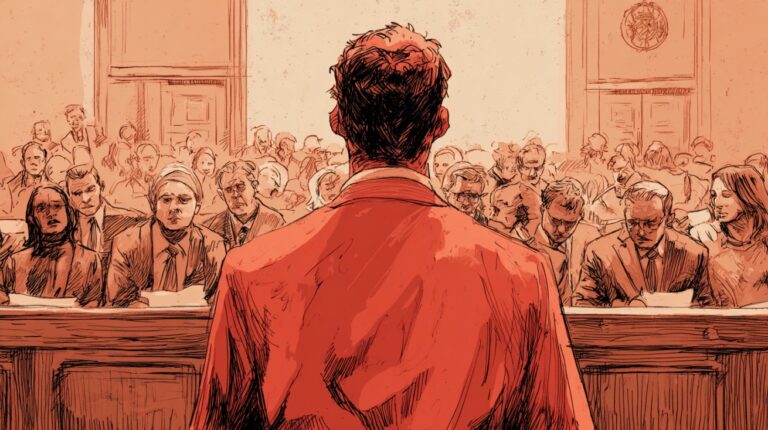
Jury duty is a civic obligation that requires eligible citizens to report to court for possible service during jury selection. Courts rely on ordinary members of the public to participate in civil and criminal trials. Receiving a jury summons can cause anxiety.
Many people must rearrange work schedules, cancel appointments, or adjust travel plans to comply with the reporting date.
Ignoring a jury summons is not a harmless decision. Courts treat a summons as a legal obligation, not a casual request. Failing to respond can trigger formal court procedures and possible penalties.
Without further ado, let us begin.
Immediate Consequences of Not Showing Up
Failure to report for jury duty sets a process in motion. Courts follow established steps that often begin with notice and an opportunity to correct the problem.
Severity depends on how quickly the person responds and if the absence appears intentional.
First Time No Show

Courts generally avoid harsh penalties after a first missed appearance. In many situations, a person who does not report receives a Failure to Appear notice or warning letter.
That written notice typically explains the missed reporting date and outlines what must be done next.
- A new date to report for jury service
- A deadline to contact the clerk’s office
- Contact information for rescheduling or explaining the absence
An opportunity to explain is usually provided. Judges and court administrators recognize that honest mistakes occur. A person may have misread the date, misplaced the summons, experienced illness, or faced a family emergency.
Prompt communication with the court often resolves the matter without further action.
Police officers do not typically arrive at someone’s home after a single accidental absence. Immediate arrest is uncommon when there is no history of ignoring court notices. Quick response and cooperation greatly reduce the risk of escalation.
Court Orders to Appear
Repeated failure to respond changes the tone of the situation. Lack of communication can be interpreted as willful disregard. At that stage, a judge may issue an Order to Show Cause.
An Order to Show Cause is a formal directive requiring the individual to appear before the court and explain the failure to comply. That order compels personal attendance in front of a judge.
- Reason for missing the original reporting date
- Efforts were made to contact the court
- Prior history of compliance or noncompliance
Ignoring an Order to Show Cause carries a greater risk than missing the first summons. Additional penalties become more likely once a direct judicial order has been issued.
Penalties for Failing to Comply
Noncompliance can lead to escalating consequences. Courts are given authority under state law to enforce jury summonses through financial penalties, contempt findings, and even custody orders in serious cases.
Contempt of Court

Failure to obey a jury summons may result in a finding of contempt of court. Contempt involves willful disobedience of a lawful court order. Judges treat such conduct seriously because court authority depends on compliance with orders.
A contempt proceeding often includes a hearing.
- Proof that the summons was properly delivered
- Evidence that the person knowingly ignored the notice
- Any documentation supporting illness, hardship, or emergency
Valid excuses may reduce penalties or lead to dismissal of the contempt charge. Deliberate refusal to comply can result in sanctions that are both financial and custodial.
Fines
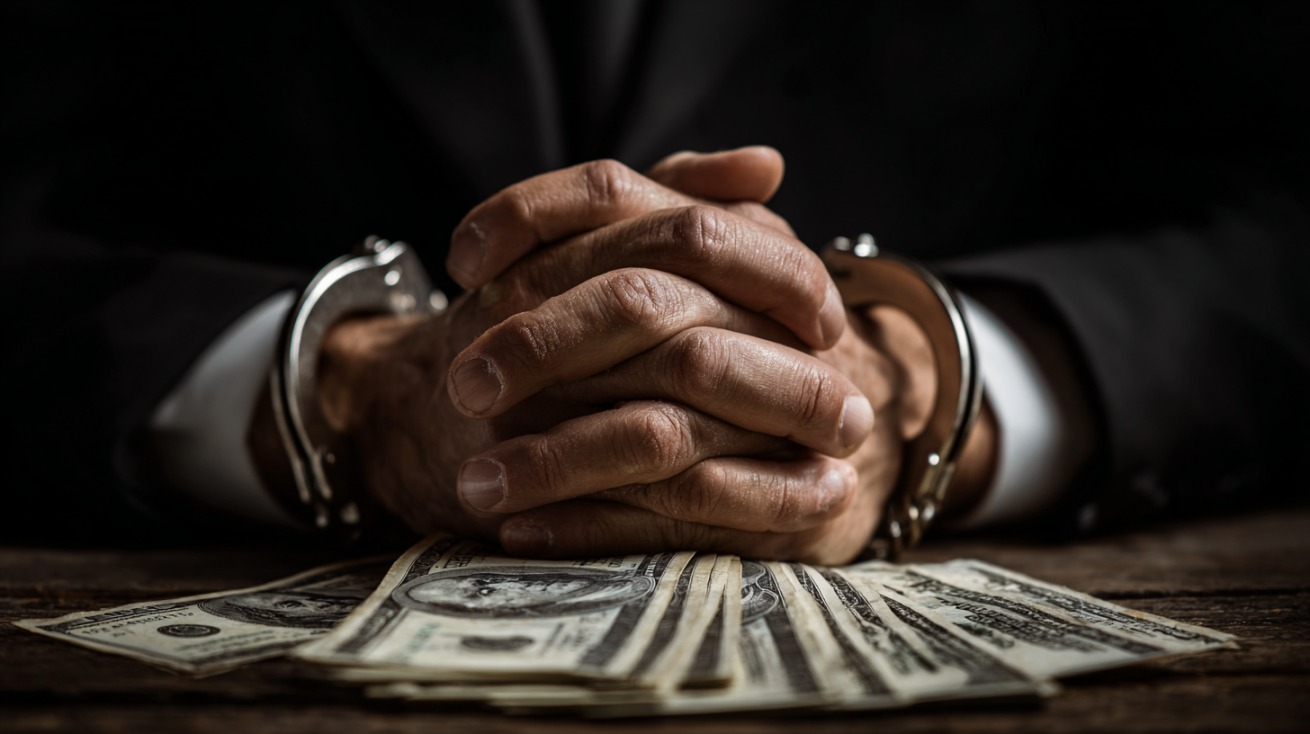
Financial penalties are common tools used to enforce jury duty obligations. In many jurisdictions, fines for ignoring a jury summons range between $100 and $1,000 or more.
The exact amount depends on local statutes, court rules, and the seriousness of the conduct.
Repeated failures to appear often lead to higher fines. Courts may also add administrative fees or require payment within a strict timeframe.
Failure to pay court-ordered fines can trigger additional enforcement measures.
Possible Jail Time

Judges have the authority to impose short jail sentences in more serious or repeated cases of contempt. Jail terms may range from a few days to several months, depending on jurisdiction and the facts presented.
Incarceration is not typical after a single oversight. Custody is more likely when a person repeatedly ignores court directives, fails to appear at multiple hearings, or refuses to comply after being warned.
The possibility of getting handcuffed and going to jail exists as a last resort enforcement mechanism.
Bench Warrants or Arrest
@judge_marroquin Think courtroom rules don’t apply to you? ⚖️ Contempt of court happens when someone disrupts proceedings or disrespects the authority of the court. Follow us for more legal terms and insights from Courtroom 10. #Courtroom #ContemptOfCourt #ExplorePage #CourtroomTips #RGV ♬ original sound – Judge Armando Marroquin
Continued willful noncompliance can lead a judge to issue a bench warrant.
A bench warrant authorizes law enforcement officers to take the individual into custody and bring that person before the court. Outstanding warrants create practical risks in everyday life.
- Traffic stops
- Background checks for employment
- Encounters with law enforcement for unrelated matters
Detention under a bench warrant can result in time spent in custody until a court appearance is scheduled. Impact can extend into employment, finances, and family responsibilities once a warrant becomes active.
Legal Nature of a Jury Summons
A jury summons carries legal force. It is a court order issued under statutory authority. Compliance is required, not optional.
Receipt of a summons creates a legal duty to respond in the manner instructed, which usually means appearing on a specific date or completing an approved deferral process.
Authority for jury summonses comes from state and federal laws that empower courts to compel citizens to participate in jury selection. Courts rely on voter registrations, driver’s license records, and other government databases to create jury pools.
Once a name is selected and a summons is issued, legal responsibility attaches to that individual.
- Reading the notice carefully and noting the reporting date
- Following the instructions for confirming attendance or requesting a postponement
- Appearing at the courthouse or designated location at the required time
Ignoring the document does not cancel the obligation. Discarding the notice or failing to open mail does not eliminate responsibility if the summons was properly sent according to court procedures.
Failure to appear activates a defined enforcement process. Courts do not immediately impose severe punishment in most cases.
Initial response often involves a written reminder or a Failure to Appear notice. That notice gives the individual a chance to correct the situation and comply voluntarily.
At that point, legal consequences become more serious. Contempt findings, financial penalties, and arrest orders are tools available to enforce compliance.
Structured procedures exist to balance fairness with enforcement. Courts aim to distinguish between honest mistakes and intentional refusal.
Opportunity to explain is often built into the process. At the same time, legal system integrity depends on the ability to require citizens to fulfill jury obligations when summoned.
Why Courts Take Jury Duty Seriously

Jury service plays a critical role in protecting the right to a trial by peers. Individuals accused of crimes and parties involved in civil disputes depend on jurors to assess evidence and reach impartial verdicts.
Absence of summoned jurors disrupts court schedules and delays proceedings.
When too many people fail to appear, courts may be forced to postpone trials, summon additional citizens, and adjust crowded dockets.
- Increased costs for court operations
- Inconvenience to litigants and witnesses
- Delayed resolution of criminal and civil cases
Graduated enforcement measures reflect the seriousness attached to jury duty. Warning letters, court orders, fines, and warrants form a structured system designed to secure participation and maintain orderly judicial proceedings.
The Bottom Line
Ignoring a jury summons can begin with a warning but escalate to fines, contempt findings, or even a bench warrant. Consequences become more serious when a person repeatedly fails to respond.
Best practice is to treat a jury summons as a serious legal obligation. Contacting the court promptly to explain a conflict or request a new date can prevent complications.
Participation in jury service supports the fair operation of the justice system and helps ensure that cases are decided by members of the community.