
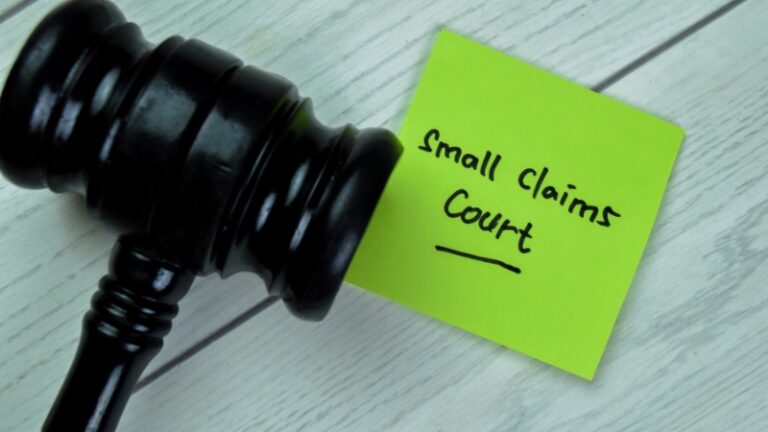
Not really. Small claims court is usually much quieter, faster, less dramatic, and far more procedural than what you see on TV. Real small claims hearings are often short, informal, and focused on documents, dates, receipts, contracts, photos, and whether one side can clearly prove what happened.
In many courts, the hearing may last only 10 to 15 minutes, and some courts schedule about 30 minutes total for the whole matter, not the long back-and-forth people expect from television.
TV courtrooms are built around confrontation and entertainment. A real small claims court is built around efficiency. Official court guidance describes small claims as a simpler, faster, and less expensive way to resolve lower-dollar disputes.
California courts describe it as an easier process for smaller money claims, while Massachusetts says small claims is meant to be a simple, informal, and inexpensive forum.
The Real Version Is Much Less Theatrical
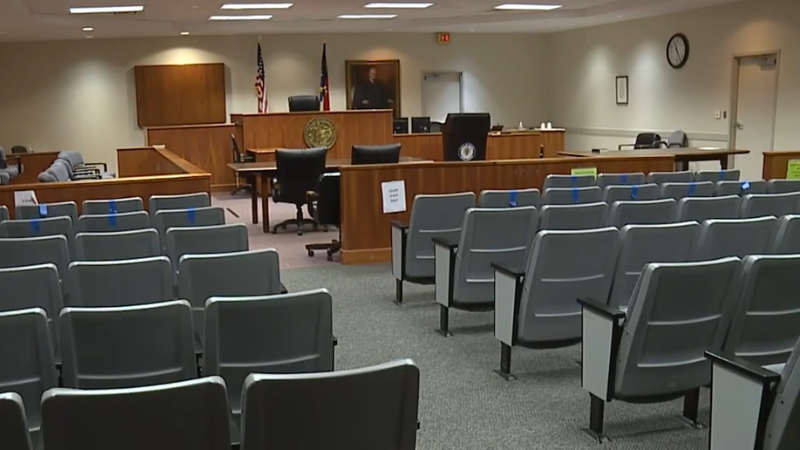
On television, someone storms into the courtroom, the judge makes instant moral judgments, witnesses blurt out dramatic revelations, and the case is wrapped up in a neat ending. In real life, the judge or magistrate usually wants both sides to get to the point quickly.
Courts commonly instruct people to arrive early, bring copies of their evidence, organize witnesses in advance, and be ready for a short hearing. New York courts tell people to arrive at least 30 minutes early, and Massachusetts tells parties to bring documents like checks, bills, photographs, and letters that support the case.
That means small claims court feels less like a courtroom drama and more like a fast-moving dispute review. The judge is not there to perform. The judge is there to figure out whether the plaintiff has enough proof, whether the defendant has a valid response, and what amount, if any, should be awarded.
The Biggest Difference Is The Pace
One of the most unrealistic things about TV court is the amount of time each case appears to get. In a real small claims court, time is limited. North Dakota court guidance says hearings are usually set for about 30 minutes total and that a party may have only 10 to 15 minutes to present their side.
Los Angeles County consumer guidance similarly says most small claims cases last less than 15 minutes.
That short time window changes everything. The person who usually does best is not the one with the most emotion. It is the one with the clearest timeline, the cleanest paperwork, and the simplest explanation. If your case needs five minutes just to explain who everyone is, you are already in trouble.
TV version
Real small claims court
Long dramatic testimony
Short, tightly managed hearing
Surprise evidence at the last second
Courts often expect evidence to be prepared and exchanged
Emotional speeches
Clear documents and facts matter more
The judge acts like a TV host
A judge or magistrate focuses on proof and procedure
Big reveal decides everything
Receipts, contracts, photos, and notices usually decide the case
It is Informal, But Not Casual
This is where people often misunderstand the process. Small claims court is informal compared with higher-level civil litigation, but that does not mean anything goes. California courts describe the hearing as informal and the rules as simpler, but they still require people to follow filing rules, service rules, deadlines, and claim limits.
Massachusetts uses similar language, calling small claims simple and inexpensive, but still structured by court procedure.
So yes, you usually do not get the full formal trial atmosphere people imagine from movies. But you still need the right party names, the right amount claimed, proof that the other side was properly notified, and evidence that actually supports your story.
A case with weak paperwork can be lost very quickly, even if the person telling it feels morally right.
Lawyers Are Often Limited or Absent
Another major difference from television is the role of lawyers. TV courts almost always revolve around legal personalities. Real small claims court often does not.
California courts state that lawyers are not allowed to represent parties in the small claims hearing, though parties can ask lawyers for advice beforehand and lawyers may appear in later appeal stages.
That changes the whole tone of the case. Instead of trained litigators arguing evidentiary technicalities for an hour, you usually have ordinary people explaining a dispute to a judge in plain language.
That is one reason small claims court exists in the first place. It is designed to let people handle modest-value disputes without the cost and complexity of full civil litigation.
The Judge is Usually Looking For Proof, Not Performance
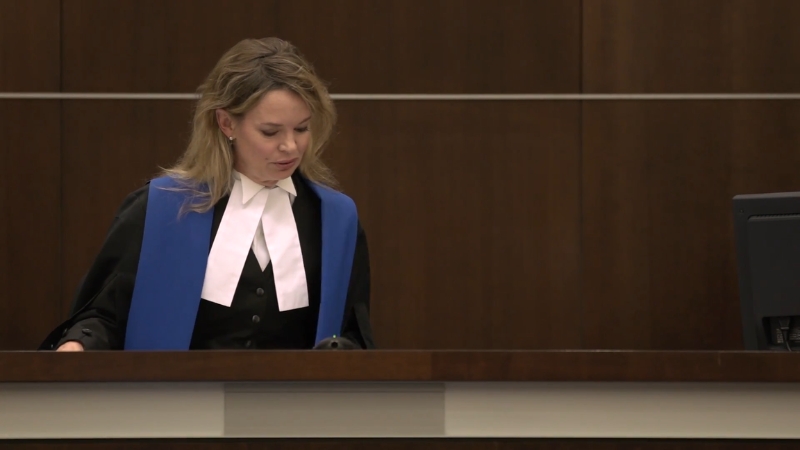
Television makes it look like the judge decides based on attitude, clever comebacks, or who seems more likable. Real judges may certainly notice credibility, but most small claims outcomes turn on evidence.
Courts repeatedly tell parties to bring contracts, bills, checks, photos, letters, receipts, and witnesses. California court guidance says to bring enough copies of evidence for the judge and the other side, and Massachusetts says to bring any papers or photographs that help prove the case.
That means a calm person with a repair invoice, text messages, dated photos, and proof of payment is often in a much stronger position than a more persuasive speaker with nothing concrete. In practice, small claims judges often narrow the case to a few questions: What was promised, what happened, what can you prove, and how much is the loss.
The Money Limits Are Real And They Shape The Whole System
TV gives the impression that almost any dispute can be swept into a small courtroom and decided instantly. In real life, small claims court only handles disputes under a legal cap, and that cap varies by state.
California says individuals can generally sue for up to $12,500, while businesses are generally capped at $6,250 in small claims. Massachusetts says small claims is for disputes of $7,000 or less, with limited exceptions.
Those limits are a big reason small claims court feels different from regular civil court. The system is built for lower-dollar cases, which is why it moves faster, uses simpler procedures, and often limits attorney involvement.
State example
General small claims limit
California
$12,500 for most individuals; $6,250 for businesses
Massachusetts
$7,000 in general small claims cases
You Do Not Always Get An Instant Dramatic Ending
On TV, the ruling comes immediately, and everyone walks out with emotional closure. In a real court, that can happen, but not always. Some judges rule from the bench, while others issue the decision later.
Even when you win, collecting the money can be a separate problem. Massachusetts court guidance has a whole separate process explaining what to do after you win, including asking for payment and attending follow-up proceedings if necessary.
That is one of the biggest reality gaps. Winning a judgment is not the same thing as getting paid. Television usually skips over enforcement. Real life does not.
The Process Is Simpler Than Regular Court, But Preparation Still Decides a Lot
View this post on Instagram
People often assume that small claims court is so informal that preparation barely matters. Court guidance says the opposite.
California and local court self-help pages tell parties to be organized, bring witnesses, and bring copies of all evidence. Courts also stress deadlines, proper filing, and proper service before the hearing even happens.
The result is that small claims court rewards ordinary, disciplined preparation more than flashy argument. A good small claims case usually has a short timeline, a clear amount of damages, supporting documents, and a direct explanation of why the other side is legally responsible.
So What Does it Actually Feel Like?
For most people, real small claims court feels less like a TV showdown and more like a brisk, slightly tense administrative hearing. You wait for your turn. You check in. You carry your folder of papers.
When your case is called, the judge asks questions, lets each side talk, looks at the documents, and moves on. New York court guidance describes practical details like arriving early, finding the posted calendar, and going through courthouse security before the session starts.
That routine quality is exactly what television strips away. Real small claims court is not designed to be entertaining. It is designed to handle a high volume of modest disputes in a way that is accessible to nonlawyers.
Bottom Line

Small claims court is not really like TV. It is usually faster, quieter, less dramatic, and much more focused on paperwork and proof than personality. The judge is not looking for the best speech.
The judge is looking for the clearest, most credible, best-documented version of the facts. Courts themselves describe the process as informal, simple, and inexpensive, but that simplicity works best for people who come prepared.