

You can sue a restaurant for food poisoning. But you have to prove it.
Getting sick after eating out does not automatically mean you have a case. You need medical confirmation of the illness, proof that you ate there, and a clear timeline showing when symptoms started.
Lab results, doctor records, receipts, and any health department findings are what make the difference. If you cannot clearly connect the meal to the illness, the case will likely fail.
Winning a food poisoning lawsuit depends on solid proof, not personal belief or suspicion.
When Can You Sue A Restaurant For Food Poisoning?
A lawsuit becomes realistic when illness is medically confirmed, the timing fits, and the facts point to one clear source. Courts do not act on suspicion. They look for evidence that a specific meal, served at a specific place, caused a diagnosable infection and measurable harm.
A Confirmed Medical Diagnosis
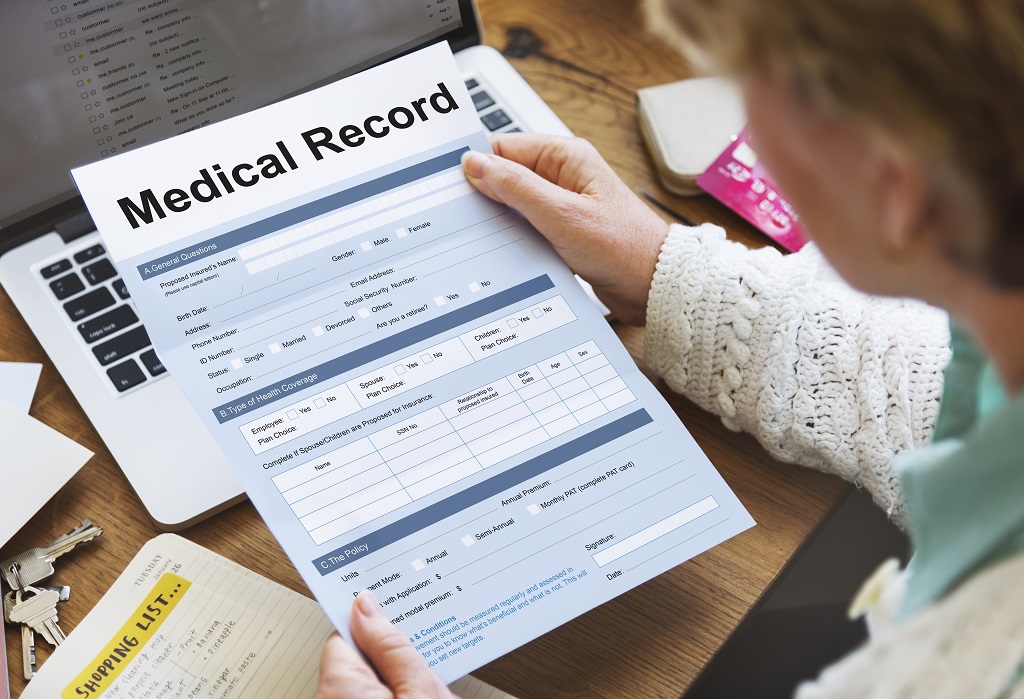
A viable claim usually begins with a doctor’s visit. Medical records should document symptoms, treatment, and testing. Lab results identifying a pathogen, such as Salmonella or E. coli, carry significant weight because they move the case from assumption to confirmation.
Without medical documentation, a lawsuit becomes difficult to sustain.
A Clear and Consistent Timeline
Timing matters. The onset of symptoms must align with what medical science recognizes for the identified pathogen. Judges and insurers examine:
- When the meal was eaten
- When symptoms began
- How the illness progressed
The well-known symptoms, and how much time after eating they will appear area all explained by the CDC. For example, symptoms from norovirus can appear within 12 to 48 hours, Salmonella typically develops within 6 to 72 hours, and E. coli infections often surface 3 to 4 days after exposure, though they can take up to a week. Listeria can take much longer, sometimes several days or even weeks.
If symptoms begin outside the medically recognized window for the identified pathogen, defense attorneys may argue that the illness came from another source.
Proof Linking You to The Restaurant
It must be clear that you actually ate the food in question. Useful documentation may include:
- Receipts or card statements
- Order confirmations from delivery platforms
- Names of dining companions
- Photographs of the meal
Even basic financial records can anchor the claim to a date and location.
Illness Serious Enough to Justify Legal Action
Short-lived stomach discomfort rarely leads to litigation. Claims tend to move forward when the illness involves emergency treatment, hospitalization, lost wages, or documented complications. The greater the medical impact, the more likely a lawsuit becomes economically viable.
You cannot sue a restaurant just because your stomach hurts or feels bloated.
Evidence of A Broader Problem
Cases grow stronger when other diners report similar symptoms or when health authorities investigate the establishment.
Inspection reports, violation findings, or outbreak notices can support both causation and negligence. A documented pattern reduces the argument that the illness came from another source.
Action Taken Within Legal Deadlines
Every state sets strict filing deadlines. Delays can weaken or destroy a case. Lab testing windows close quickly, receipts are discarded, surveillance footage is erased, and memories fade. Early medical evaluation and prompt reporting to health authorities help preserve the evidence needed to support a claim.
A restaurant can be sued for food poisoning when medical proof, timing, documentation, and harm align in a way that clearly connects the illness to the food served. Without that connection, a claim is unlikely to succeed.
What The Law Requires To Hold A Restaurant Responsible?

Bringing a lawsuit is one step. Proving legal responsibility is another. Courts do not award damages simply because someone became sick after eating out. A claimant must show that the restaurant breached a legal duty and that the breach caused the illness.
Negligence
Negligence is the most common legal theory in food poisoning cases. A restaurant has a duty to handle, store, and prepare food safely. That duty includes proper refrigeration, avoiding cross-contamination, cooking food to safe temperatures, and maintaining sanitary conditions.
To succeed under negligence, a plaintiff must show four elements:
- The restaurant had a duty to serve safe food
- That duty was breached
- The breach caused the illness
- Measurable damages resulted
A health inspection report citing temperature violations or improper food handling near the time of the illness can become central evidence under this theory.
Strict Liability
In some jurisdictions, food is treated as a product. If contaminated food is served and it causes harm, liability may attach even without proving careless behavior. The focus shifts to the condition of the food itself rather than the conduct of the staff.
Even under strict liability, causation still matters. The claimant must prove that the food was defective and that the defect caused the illness. The legal standard removes the need to prove fault, but it does not remove the need to prove the source.
Breach of Implied Warranty
When a customer buys a meal, the law assumes the food is fit for human consumption. Serving contaminated food can violate that implied warranty. This theory often overlaps with negligence and strict liability, yet it provides another legal path in many states.
Warranty-based claims focus on whether the product met basic safety expectations. If it did not, and illness followed, liability may arise.
The Burden of Proof
The burden remains on the person bringing the claim. Courts evaluate whether the evidence makes it more likely than not that the restaurant caused the illness. That standard, known as preponderance of evidence, requires credible documentation and, in stronger cases, expert medical or epidemiological support.
Real Cases, Failed Claims, And Settlement Amounts
Court records show how dramatically outcomes can differ in food poisoning litigation. Severe injuries backed by laboratory confirmation have produced multimillion-dollar settlements.
Jack in the Box E. coli Outbreak
In 1993, undercooked hamburgers contaminated with E. coli O157:H7 sickened more than 700 people in several western states and killed four children.
Dozens developed hemolytic uremic syndrome, a condition that can cause kidney failure. Lawsuits followed nationwide.
One child who suffered permanent injury received a reported settlement of 15.6 million dollars. Total payouts connected to the outbreak exceeded 50 million dollars.
Chi Chi’s Hepatitis A Outbreak
In 2003, contaminated green onions served at Chi Chi’s restaurants caused more than 600 hepatitis A infections in Pennsylvania. Several deaths were reported. One liver transplant patient reached a reported settlement of 6.25 million dollars.
Combined settlements from the outbreak were reported in the tens of millions.
Chipotle E. coli Litigation
Between 2015 and 2018, a series of E. coli and norovirus incidents linked to Chipotle locations led to widespread illness and a federal investigation.
The company later agreed to pay a 25-million-dollar fine related to food safety violations, and numerous civil claims were filed by customers who alleged confirmed infections and medical losses.
Dismissed Claims
Courts have thrown out food poisoning claims when plaintiffs could not prove where the illness came from. In Snyder v. ISC Allentown, Inc., a Pennsylvania case involving an Outback Steakhouse, the plaintiff alleged that a meal caused severe gastrointestinal illness.
The court dismissed the case because there was no laboratory confirmation of a foodborne pathogen and no expert testimony tying the symptoms to the restaurant.
Medical records showed illness, but there was no scientific link to the food served. The judge ruled that a jury would have to speculate about causation, which is not enough under civil law.
Similar outcomes have occurred in other state courts when plaintiffs relied only on timing and personal belief. Judges have granted summary judgment where no stool testing was done, no pathogen was identified, and no public health investigation supported the claim.
Even when symptoms were serious, courts have held that without lab confirmation and a clear medical connection to a specific meal, the case cannot proceed.
Possible Compensation And What To Do After Getting Sick
Food poisoning claims are valued based on documented harm. Courts look for medical proof, financial loss, and the overall impact on daily life. The strength of the evidence and the severity of the illness usually determine whether compensation is modest, substantial, or nonexistent.
Medical Expenses And Financial Losses
Economic damages cover measurable costs tied directly to the illness. These often include:
- Emergency room visits and hospital stays
- IV fluids, lab testing, imaging, prescriptions
- Follow-up appointments and specialist care
- Lost wages during recovery
- Future medical treatment in cases involving lasting complications
Serious infections that lead to kidney injury, hospitalization, or long-term digestive problems carry far higher potential value than short lived illness treated at home.
Pain, Suffering, And Long Term Impact
Non-economic damages address the physical and personal toll of the illness. Severe dehydration, prolonged vomiting, invasive procedures, or extended recovery may increase the value of a claim. When complications affect daily life or work capacity, compensation can rise significantly.
Punitive damages are rare but may be pursued if evidence shows repeated safety violations or reckless disregard for food safety rules.
What To Do After Suspected Food Poisoning
What happens in the first 48 hours can shape both medical recovery and any legal claim. Immediate action matters.
Seek Medical Care And Request Testing
See a doctor as soon as symptoms become serious. Ask about stool testing while the pathogen is still detectable. Laboratory confirmation can become the most important piece of evidence in a lawsuit.
Preserve Documentation
Keep anything that connects you to the meal:
- Receipts or digital payment records
- Order confirmations from delivery apps
- Photographs of the food
- Notes showing when symptoms began
Clear records reduce disputes later.
Report The Illness
File a complaint with your local health department. An official report may trigger an inspection or an investigation. That record can support your claim and may prevent others from getting sick.
Avoid Public Accusations
Posting accusations online before medical confirmation can complicate matters. Focus first on treatment and documentation.
Final Thoughts
Suing a restaurant for food poisoning is possible, but only when facts support it. Courts require medical confirmation, a timeline that makes sense, documentation tying the meal to the illness, and measurable harm. Without that foundation, even a severe infection may fail legally.
If the evidence is clear and the impact is serious, the law provides a path to recover losses and hold a business accountable. Acting quickly, preserving records, and seeking proper medical care are not just health decisions. They determine whether a claim stands or falls.
Read Next: Is USHA A Legit Company, Or A Pyramid Scheme In Disguise?