

Buying a home before construction is complete offers an exciting opportunity to secure a beautiful, modern property, sometimes at a more attractive price than a finished home.
You can choose a desirable location, consider available design options, and look forward to a living space that suits your lifestyle.
Still, one important question deserves attention before you make any payment:
What protects your money when your future home hasn’t even been built yet?
Fortunately, several safeguards can make buying off-plan a safer and more transparent experience. Protected deposits, clearly written contracts, reputable developers, and building warranties all play important roles.
Knowing how these protections work, along with their limitations, can help you make an informed decision and move closer to owning a home with greater financial confidence.
Clear Contracts Protect Your Investment

Beautiful architectural renderings can make it easy to imagine moving into your new home.
However, your purchase agreement provides the legal framework that protects your financial commitment.
A carefully prepared contract should establish exactly what you’re purchasing, when payments are due, and what happens if construction doesn’t proceed as expected.
For example, buyers considering off-plan steel frame homes in Cyprus can review different house designs, floor plans, and construction options before committing to a purchase.
Important contractual details include:
| Contract Detail | What It Should Include |
| Purchase price and payment terms | Agreed property price, deposit, outstanding balance, and payment deadlines. |
| Property specifications | Floor area, layout, construction materials, fixtures, and finishes. |
| Expected completion date | Construction timeline and anticipated handover date. |
| Refund conditions | Conditions for canceling the purchase and recovering payments. |
| Construction changes | Buyer rights if the developer makes significant changes to the original plans. |
One particularly valuable provision is the long-stop date.
Unlike an estimated completion date, a long-stop date establishes a contractual deadline after which buyers may have the right to terminate their agreement if construction has not finished.
For example, imagine purchasing an apartment scheduled for completion in June 2027, with a long-stop date of December 2027.
If construction continues past that final deadline, an appropriately written contract may allow you to cancel the purchase and recover your deposit rather than continue waiting indefinitely.
Actual cancellation rights depend on the agreed terms and applicable law.
Under the Consumer Code for Home Builders requirements applicable to UK reservations beginning January 2024, qualifying buyers who terminate due to an unreasonable delay, as defined in their contract, must receive their contract deposit, reservation fee, and other prepayments within 28 calendar days.
An experienced real estate attorney or solicitor can examine the agreement, identify unfavorable clauses, and verify your financial protections before you become legally committed.
Pay particular attention to the distinction between a reservation fee and a contract deposit. Different refund rules and safeguards may apply to each payment.
A reliable contract should leave you feeling informed about your purchase, not uncertain about what might happen if construction encounters difficulties.
Deposit Protection Keeps Your Money Safer
When buying an off-plan property, you’ll generally pay a deposit to secure your future home before construction finishes.
Deposits commonly range between 5% and 20% of the purchase price, although the exact amount depends on the developer, property, and local regulations.
For a home priced at $300,000, that could mean paying anywhere between $15,000 and $60,000 upfront.
Naturally, protecting such a significant amount matters.
One important safeguard involves placing your deposit in a separate escrow or trust account. Instead of allowing the developer immediate access to your money, an independent party holds it until specific contractual conditions are satisfied.
Rules vary according to location. For example, the New South Wales government’s off-plan property regulations require deposits and installment payments to be held in a trust or controlled money account during the contract period, without release to the seller before settlement.
Another option is deposit protection insurance, which may compensate eligible buyers if a developer becomes insolvent and cannot fulfill the purchase agreement.
However, coverage limits deserve careful attention.
Under the UK NHBC Buildmark program, pre-completion deposit protection is generally limited to 10% of the original purchase price, subject to a maximum of approximately $133,800, using an October 21, 2026 currency conversion.
Imagine paying a 15% deposit on a property whose warranty protects only 10% of its purchase price. An insolvency claim could leave a substantial portion of your money uncovered.
Before paying anything, request written confirmation explaining where your deposit will be held, who controls its release, and exactly how much is insured.
Trusted Developers Give You Greater Confidence

Choosing the right developer can make a significant difference when purchasing a property that exists primarily on architectural plans.
An established developer with a history of completed projects offers valuable evidence of its ability to manage construction, coordinate contractors, and deliver finished homes.
Before committing to a purchase, examine previous developments and consider how successfully the company has handled its responsibilities.
Completed projects can reveal important details about construction quality, communication, and delivery schedules.
Try to establish:
- How many residential developments the company has completed.
- How closely previous projects followed their advertised timelines.
- How earlier buyers describe their experience after moving in.
- How construction is financed and what arrangements support project completion.
Financial stability is especially important.
A developer may have impressive designs and attractive pricing while relying heavily on future buyer payments or additional financing to complete construction.
Asking how the project is funded can help identify potential financial risks. Independent verification of financing arrangements, company records, and applicable development approvals can provide additional reassurance.
Communication also matters.
Reliable developers should provide meaningful construction updates, explain significant delays, and communicate important design changes before they become unpleasant surprises.
In the UK, the Consumer Code for Home Builders also requires covered builders to consult buyers and obtain their agreement when major changes significantly affect a property’s size, appearance, or value. Qualifying buyers may have termination and refund rights if those changes are unacceptable.
Even experienced developers can encounter unexpected construction delays. However, a strong track record, financial transparency, and clearly documented obligations can help buyers distinguish manageable setbacks and more serious warning signs.
Building Warranties Provide Extra Peace of Mind
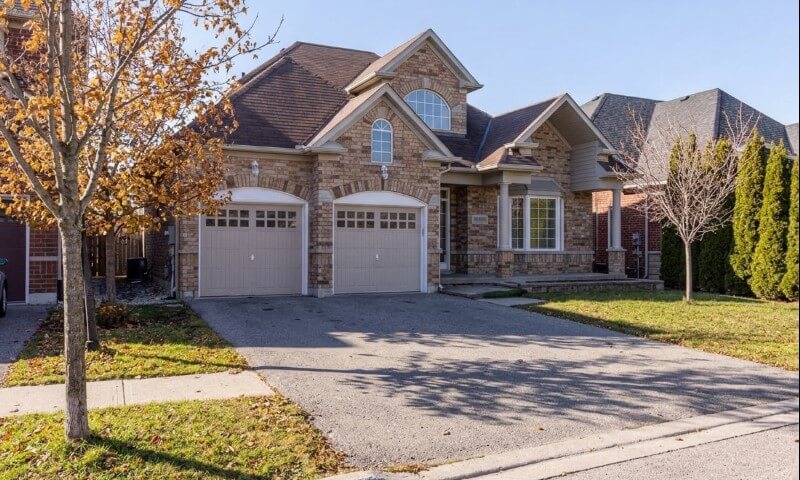
Deposit protection helps safeguard money before construction finishes. Building warranties can provide additional financial protection after you receive your keys.
New-build warranties generally cover specified construction defects, subject to the policy’s conditions, exclusions, and applicable coverage periods.
For qualifying properties in the UK, the National House Building Council offers a 10-year Buildmark warranty and insurance program.
Coverage operates in different stages:
| Coverage Period | Protection Provided |
| Before completion | Covers eligible deposit losses if the builder becomes insolvent. |
| First 2 years after completion | Builder warranty supported by NHBC’s resolution service and guarantee. |
| Years 3 through 10 | Insurance coverage for specified physical damage caused by covered construction defects. |
NHBC’s official Buildmark warranty information explains the protections and their applicable limitations.
An important distinction is that a 10-year warranty does not mean every repair or maintenance issue is covered for the entire decade.
Normal wear, routine maintenance, and excluded defects may fall outside the policy. Specific claim requirements and minimum claim values can also apply.
Similarly, a warranty against construction defects is not automatically a guarantee against every financial loss before completion.
Buyers should confirm that their particular property is registered under an appropriate warranty program and obtain the relevant policy documents.
Independent warranty providers may offer comparable arrangements, including pre-completion deposit insurance, but coverage conditions can differ considerably.
Having these protections in place can provide reassurance long after construction ends, particularly when unexpected structural problems require expensive repairs.
FAQs
Your Dream Home Starts With a Secure Investment
Purchasing a home before construction finishes is an exciting opportunity to create a comfortable, modern living space while giving yourself additional time to prepare financially.
Confidence begins with knowing exactly how your investment is protected.
A beautiful property deserves equally careful attention to deposit security, contractual rights, construction quality, and long-term financial commitments.
Before signing, make sure your payments are protected, your completion and cancellation rights are clearly documented, and your chosen developer can demonstrate a credible history of successful projects.
With appropriate safeguards and careful preparation, buying off-plan can become a practical path toward owning the modern home you’ve been imagining.
Your dream home could be closer than you think. Explore our modern off-plan homes and discover how you can take the next step toward affordable luxury living with confidence.